

When your garage door opener starts failing, deciding whether to repair or replace garage door opener systems becomes a critical question for homeowners. An aging or malfunctioning opener doesn't just create inconvenience; it poses safety risks and security vulnerabilities for your home. Understanding the signs that indicate replacement time, knowing what modern features to look for, and recognizing the value of professional installation can save you time, money, and frustration while protecting your family and property.
Recognizing the Warning Signs
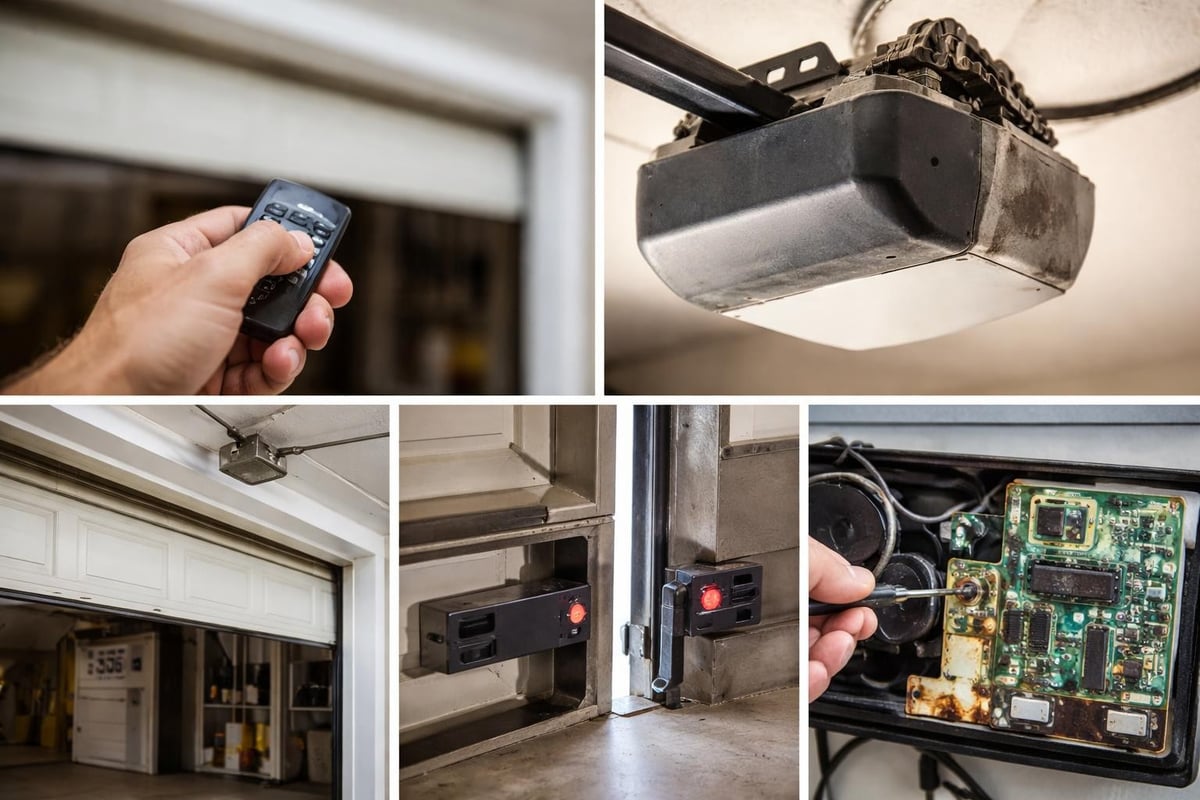
Your garage door opener communicates its condition through various signals that shouldn't be ignored. A system nearing the end of its lifespan typically displays multiple symptoms that increase in frequency and severity.
Age and Obsolescence
Garage door openers manufactured before 1993 lack mandatory safety features required by federal law. If your system predates this regulation, you're operating equipment without photoelectric sensors that prevent the door from closing on people, pets, or vehicles. The Epoch Times discusses the benefits of replacing an old garage door opener, highlighting improved safety features and enhanced security.
Even openers from the late 1990s and early 2000s miss out on significant technological advancements available today:
- Smart home connectivity and mobile app control
- Battery backup systems for power outages
- Enhanced encryption for remote access
- Quieter belt-drive and direct-drive mechanisms
- Energy-efficient LED lighting systems
Most manufacturers design garage door openers for a 10-15 year service life under normal use conditions. Systems older than this threshold become increasingly unreliable and costly to maintain.
Performance Issues
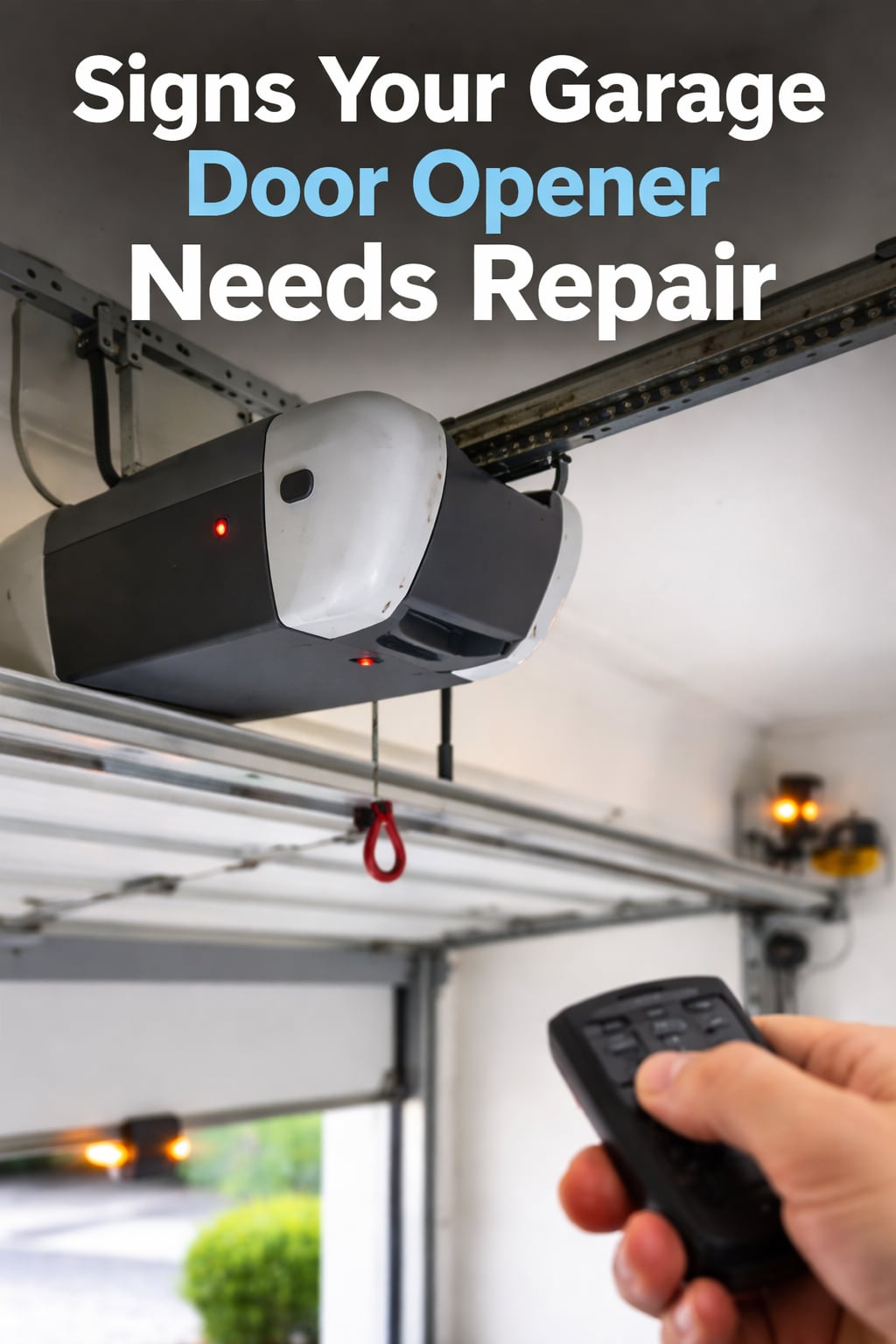
Consistent operational problems signal that it's time to replace garage door opener equipment. Watch for these red flags:
| Symptom | What It Indicates | Replacement Priority |
|---|---|---|
| Intermittent response to remotes | Circuit board degradation | Medium |
| Grinding or excessive noise | Worn drive components | High |
| Slow or jerky movement | Motor weakening | High |
| Door reverses without obstruction | Safety sensor misalignment or failure | Immediate |
| Remote control range decreased | Antenna or receiver issues | Low to Medium |
When repairs approach 50% of a new opener's cost, replacement becomes the financially sound choice. Quality Overhead Door emphasizes that key reasons to replace a garage door opener include added safety, improved security, and user-friendly technology.
Safety and Security Advantages
Modern garage door openers incorporate security features that older models simply cannot match. These improvements protect both your property and family members from preventable accidents and unauthorized access.
Enhanced Safety Systems
Contemporary openers include multiple layers of protection that respond instantly to potential hazards:
- Photoelectric eyes detect obstructions in the door's path and automatically reverse direction within milliseconds
- Force sensitivity adjustments stop or reverse the door when resistance is encountered
- Manual release mechanisms with ergonomic handles that allow emergency operation during power failures
- Timer-to-close features automatically close doors left open for preset durations
Garaga explains the advancements in garage door opener technology since 1993, emphasizing safety features, quieter operation, and smart connectivity. These systems have prevented countless injuries and property damage incidents nationwide.
Security Enhancements
Older garage door opener systems used fixed-code technology, making them vulnerable to code grabbers that thieves employ to gain access. When you replace garage door opener equipment with modern systems, you benefit from:
- Rolling code technology that changes the access code with each use
- Smartphone monitoring that alerts you when the door opens or closes
- Temporary access codes for delivery services or guests
- Vacation mode locks that disable all remote controls when you're away
- Integrated camera systems that record activity near your garage
These security improvements provide peace of mind and may even reduce homeowner insurance premiums in some cases.
Selecting the Right Replacement System
The market offers numerous garage door opener options with varying features, drive mechanisms, and horsepower ratings. Understanding these differences helps you choose equipment that matches your specific needs and budget.
Drive System Comparison
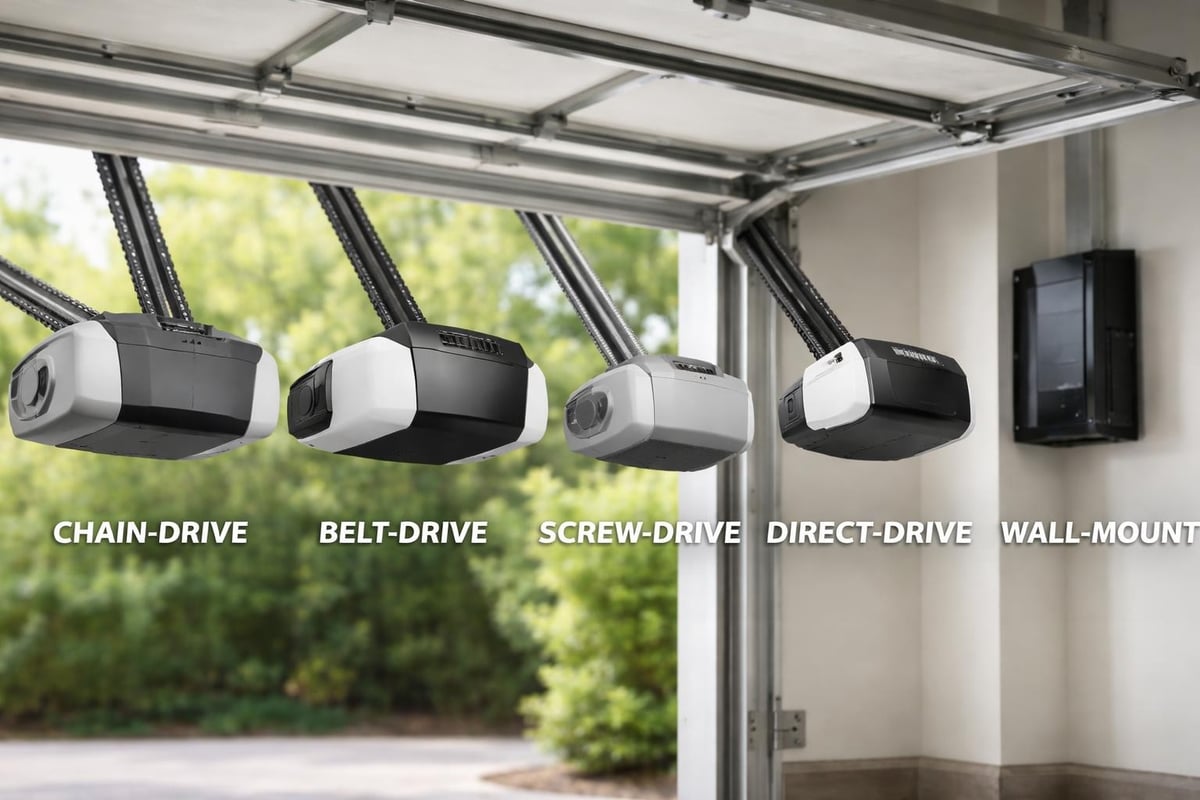
Each drive mechanism offers distinct advantages for different situations:
| Drive Type | Noise Level | Durability | Maintenance | Best For |
|---|---|---|---|---|
| Chain-drive | Loudest | Excellent | Low | Detached garages, budget-conscious buyers |
| Belt-drive | Quietest | Very good | Very low | Attached garages, bedrooms above garage |
| Screw-drive | Moderate | Good | Minimal | Varying climates, simple maintenance preference |
| Direct-drive | Very quiet | Excellent | Minimal | Premium installations, minimal vibration required |
| Wall-mount (jackshaft) | Very quiet | Excellent | Low | Low ceiling clearance, specialized applications |
Professional Garage Door Opener Installation ensures proper mounting, force adjustments, and safety testing for any drive system you select. This service handles removal of old units and guarantees smooth, dependable performance from the first use.
Horsepower Requirements
Choosing appropriate motor strength prevents premature wear and ensures reliable operation:
- ½ horsepower: Standard single-car doors, lightweight materials
- ¾ horsepower: Double-car doors, insulated doors, frequent use
- 1 to 1.25 horsepower: Heavy wooden doors, oversized doors, commercial applications
Underpowered openers strain to lift heavy doors, shortening their lifespan and potentially causing safety issues. Overpowered systems waste energy but generally don't create problems.
Smart Features and Connectivity
Technology integration has transformed garage door openers from simple mechanical devices into sophisticated home automation components. When you replace garage door opener systems in 2026, smart features provide convenience and control that previous generations never imagined.
Mobile Integration
Smartphone connectivity eliminates the need for traditional remote controls while offering enhanced functionality:
- Real-time status updates showing whether your door is open or closed
- GPS-triggered automatic closing when you leave your property
- Remote operation from anywhere with internet connectivity
- Activity logs tracking every opening and closing event
- Integration with home security systems and smart speakers
This Old House provides a comprehensive guide on how to replace a garage door opener, including step-by-step instructions and safety precautions for those considering DIY approaches.
Battery Backup Systems
Power outages no longer mean being trapped inside or locked out of your garage. Modern openers with battery backup continue operating during electrical failures, providing:
- Multiple complete door cycles on a single charge
- Automatic recharging when power returns
- Status indicators showing battery health
- Silent operation during backup mode
- Priority for safety features even during outages
This feature proves especially valuable during Pacific Northwest winter storms common throughout Kitsap County.
Professional Installation vs. DIY Approach
The decision to replace garage door opener equipment yourself or hire professionals involves weighing cost savings against expertise, safety, and warranty considerations.
DIY Considerations
Homeowners with mechanical aptitude and proper tools can potentially replace garage door opener systems themselves. However, several factors require careful evaluation:
Required skills and tools:
- Electrical wiring knowledge and local code compliance
- Ladder safety and overhead work experience
- Power tools including drills, wrenches, and levels
- Understanding of garage door spring tension (dangerous when improperly handled)
- Ability to follow complex instructions precisely
Time investment: Plan for 4-6 hours for first-time installations, not including troubleshooting unexpected issues.
Risk factors include electrical shock, falling from ladders, spring-related injuries, and improper installation leading to safety system failures.
Professional Installation Benefits
When you replace garage door opener equipment through experienced technicians, you receive comprehensive service that extends beyond basic installation:
- Proper sizing and compatibility verification before purchasing equipment
- Safe removal and disposal of old opener systems
- Precise mounting that prevents vibration and ensures longevity
- Force adjustment calibration meeting safety standards
- Complete testing of all safety features and operational parameters
- Warranty protection that DIY installations often void
- Code compliance with local electrical and building regulations
Professional installation typically requires 2-3 hours and includes cleanup of all materials. The investment protects your home, preserves manufacturer warranties, and ensures optimal performance. Understanding garage door opener technologies in 2026 helps homeowners make informed decisions about their systems.
Cost Factors and Budget Planning
Understanding the complete financial picture helps you plan effectively when you replace garage door opener systems. Prices vary significantly based on features, installation complexity, and additional work required.
Equipment Pricing Ranges
| Opener Type | Basic Model | Mid-Range | Premium |
|---|---|---|---|
| Chain-drive | $150-$250 | $250-$350 | $350-$500 |
| Belt-drive | $200-$300 | $300-$450 | $450-$650 |
| Screw-drive | $175-$275 | $275-$400 | $400-$550 |
| Direct-drive | $275-$400 | $400-$550 | $550-$800 |
| Wall-mount | $300-$450 | $450-$600 | $600-$900 |
Smart features, battery backup, and enhanced security add $50-$200 to base prices. This Old House reviews the best garage door openers of 2025, providing recommendations for homeowners looking to purchase reliable systems.
Installation and Additional Costs
Professional installation typically ranges from $200-$500 depending on:
- Existing wiring condition and electrical panel upgrades needed
- Mounting surface preparation or reinforcement
- Remote control quantity and smart device integration
- Disposal fees for old equipment
- Travel distance to your location
Additional expenses to anticipate:
- New remotes or keypads: $30-$100 each
- Smart home hub compatibility modules: $40-$80
- Structural reinforcement for heavy openers: $100-$300
- Electrical circuit additions: $150-$400
When budgeting to replace garage door opener systems, allocate 10-15% beyond the basic quote for unexpected needs discovered during installation.
Maintenance for Longevity
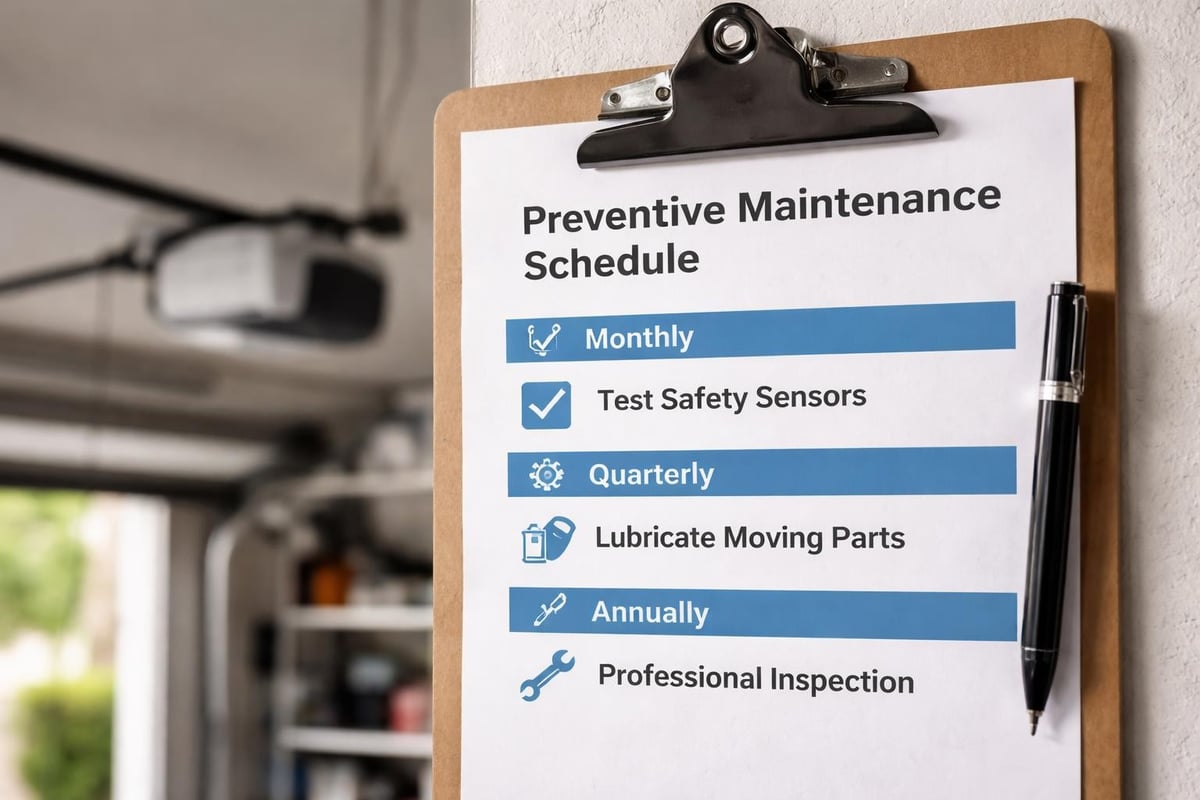
Proper care extends the life of your new opener and prevents premature replacement needs. Establishing a maintenance routine protects your investment and ensures consistent performance.
Monthly Checks
Perform these quick inspections to catch problems early:
- Test photoelectric sensors by placing an object in the door's path
- Verify force settings by holding the door during closing (it should reverse)
- Clean sensor lenses with a soft cloth to prevent false triggers
- Check remote batteries and replace when response becomes sluggish
- Listen for unusual noises during complete open/close cycles
Quarterly Maintenance
Every three months, dedicate 30 minutes to more thorough maintenance:
- Inspect all mounting hardware for looseness and tighten as needed
- Lubricate moving parts including chain/belt, rollers, and hinges
- Clean the rail removing debris and old lubricant buildup
- Test manual release to ensure emergency operation functions properly
- Verify door balance by disconnecting the opener and lifting manually
A properly balanced door should stay in place when lifted halfway. Imbalance indicates garage door spring issues requiring professional attention.
Annual Professional Service
Schedule yearly professional inspections to address items beyond homeowner capabilities:
- Complete safety system evaluation and adjustment
- Electrical connection inspection and code compliance verification
- Drive mechanism examination for wear patterns
- Smart system software updates and security patches
- Comprehensive operational testing under various conditions
Regular maintenance prevents 75% of common opener failures and significantly extends equipment lifespan beyond the manufacturer's estimated service life.
When Repair Makes Sense
Not every opener problem requires complete replacement. Understanding when repairs remain cost-effective helps you make smart financial decisions.
Repairable Issues
Certain problems respond well to targeted repairs:
- Worn drive chain, belt, or screw mechanism
- Failed circuit boards in newer models
- Broken remote controls or wall switches
- Misaligned or dirty photoelectric sensors
- Stripped gears in the drive assembly
Affordable Door offers guidance for homeowners deciding whether to repair or replace their garage door opener, including safety tests and cost considerations.
When the opener is less than 10 years old, repairs typically cost $100-$300, making them worthwhile. However, repeated repairs within short timeframes signal that it's time to replace garage door opener equipment entirely.
Replacement Indicators
These situations strongly favor replacement over repair:
- Multiple component failures occurring simultaneously
- Repair costs exceeding 50% of new equipment prices
- Obsolete models with discontinued parts
- Safety system failures that cannot be retrofitted
- Desire for smart features impossible to add to existing systems
Professional garage door repair specialists provide honest assessments helping homeowners make informed repair-versus-replace decisions based on long-term value rather than short-term costs.
Environmental and Energy Considerations
Modern opener technology delivers environmental benefits through reduced energy consumption and improved home efficiency. When you replace garage door opener systems, these factors contribute to sustainability goals.
Energy Efficiency Features
Contemporary openers consume significantly less electricity than older models:
Standby power draw has decreased from 10-15 watts in older units to less than 2 watts in Energy Star certified models. Over a year, this reduction saves 70-100 kilowatt-hours per opener.
LED lighting systems built into modern openers use 75% less energy than incandescent bulbs while providing superior illumination and lasting 25,000+ hours.
Smart scheduling features reduce unnecessary operations and phantom power consumption through automated controls and activity-based learning algorithms.
Insulation Benefits
Choosing openers that work efficiently with insulated garage doors creates thermal benefits:
- Reduced heat transfer between garage and living spaces
- Lower heating and cooling costs for attached garages
- Protection for vehicles and stored items from temperature extremes
- Quieter operation due to insulated door dampening
Proper opener selection and installation maximize these benefits. Understanding how to choose the best garage door complements opener decisions for optimal performance.
Special Circumstances and Custom Solutions
Certain properties require specialized approaches when you replace garage door opener equipment. Recognizing these situations ensures appropriate equipment selection and installation methods.
Low Clearance Applications
Garages with limited headroom benefit from wall-mount jackshaft openers that:
- Mount beside the door rather than overhead
- Eliminate obstructions for storage or vehicle clearance
- Provide quieter operation through direct-drive mechanisms
- Accommodate non-standard door configurations
These systems typically cost $600-$900 installed but solve problems impossible to address with traditional overhead units.
Multiple Door Coordination
Properties with several garage doors need systems that coordinate smoothly:
Synchronized controls allow single-button operation of multiple doors through:
- Master remote controls accessing all openers
- Smartphone apps grouping doors by location or function
- Timed sequences preventing simultaneous operation overload
- Individual monitoring showing status of each door independently
High-Cycle Commercial Applications
Business properties requiring frequent door operations need heavy-duty equipment designed for commercial service. Standard residential openers fail prematurely under high-cycle use. Commercial-grade systems feature:
- Reinforced drive mechanisms rated for 50,000+ annual cycles
- Industrial-duty motors with enhanced cooling systems
- Advanced safety sensors meeting commercial building codes
- Integration capabilities with access control and security systems
Homeowners operating home businesses should evaluate whether their usage patterns justify commercial-grade equipment when they replace garage door opener systems.
Regional Considerations for Pacific Northwest Homeowners
Climate conditions and local building practices in areas like Kitsap County influence optimal opener selection and installation approaches. Understanding these regional factors helps residents make appropriate choices.
Weather Resistance
Pacific Northwest moisture and temperature fluctuations require specific considerations:
Rust and corrosion resistance proves essential for opener longevity. Select models with galvanized steel components and weatherproof housing that withstand damp conditions common throughout the region.
Temperature-compensating force adjustments maintain proper operation during seasonal changes. Openers lacking this feature may fail safety tests as temperature affects spring tension and door weight distribution.
Drainage considerations prevent water accumulation near electronic components. Proper installation includes positioning control boxes away from potential water intrusion points.
Power Reliability
Winter storms frequently cause extended power outages across Bainbridge Island and surrounding communities. Battery backup systems transition from optional convenience to practical necessity when you replace garage door opener equipment in this region.
Quality backup systems provide:
- 24-48 hours of normal operation capability
- Automatic recharging during power restoration
- Low-battery warnings before complete depletion
- Manual override options when batteries expire
Many local homeowners discover that emergency garage door services become unnecessary when battery backup prevents storm-related access problems.
Deciding to replace garage door opener systems represents a significant home improvement investment that delivers safety, convenience, and security benefits for years to come. Whether addressing aging equipment, adding smart home integration, or upgrading safety features, modern openers provide substantial improvements over older technology. NextLevel Garage Co. serves homeowners and businesses throughout Kitsap County with professional garage door services, including expert opener installation that ensures optimal performance and complete safety compliance. Contact our team to discuss your specific needs and discover how quality installation protects your investment while delivering reliable daily operation.