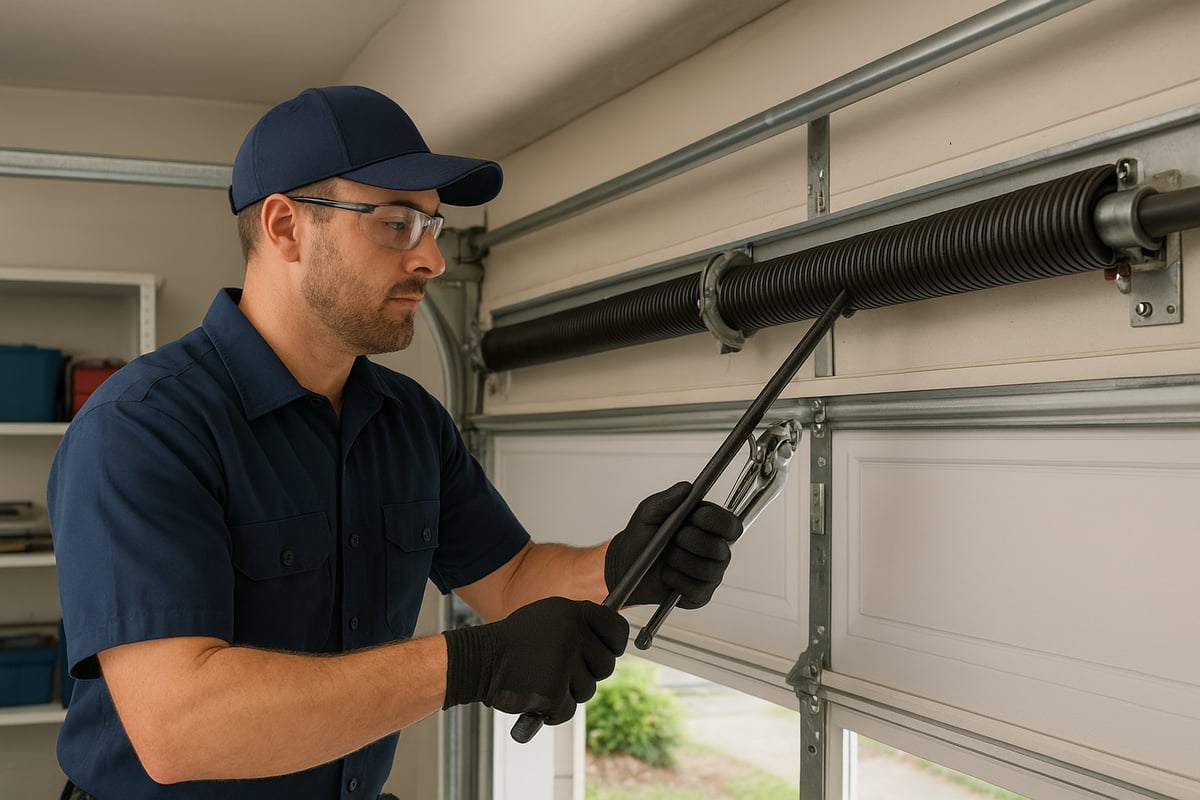

When your roller door stops functioning properly, finding fast, reliable service becomes an immediate priority. Whether you operate a commercial facility with security shutters, manage a storage business with multiple rolling doors, or own a residential property with specialty garage systems, searching for "roller door service near me" connects you to local professionals who understand regional needs and can respond quickly to urgent situations. The right service provider delivers more than quick fixes-they offer preventive maintenance, expert diagnostics, and long-term solutions that protect your investment and ensure safety compliance.
Understanding Roller Door Systems and Service Requirements
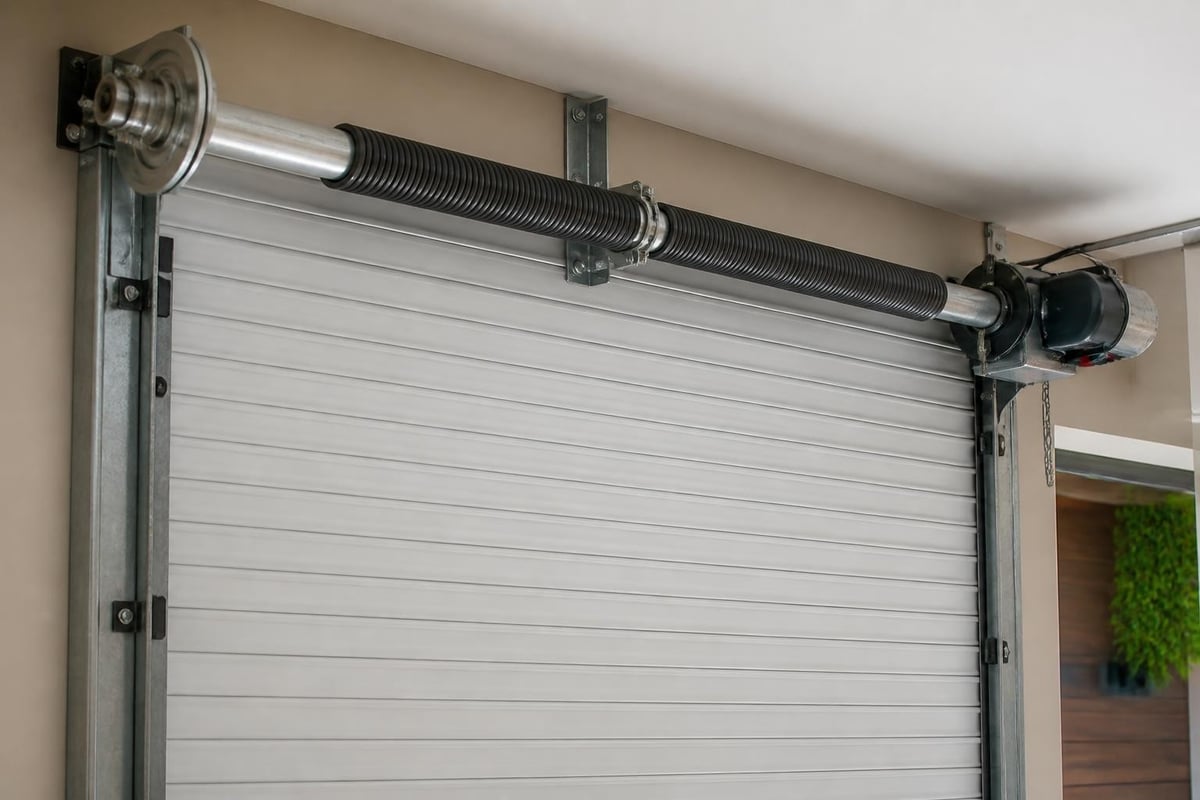
Roller doors operate differently than traditional sectional garage doors, using a curtain of interlocking slats that coil around a barrel when opening. These systems serve commercial warehouses, retail storefronts, storage facilities, and some residential applications where space conservation and security matter most.
Key Components Requiring Regular Service
The complexity of roller door mechanisms means multiple components need periodic inspection and maintenance. The barrel assembly, which holds the wound curtain, requires precise alignment and lubrication to prevent premature wear. Side tracks must remain clean and properly aligned to guide the curtain smoothly during operation. The spring system, whether torsion or tension-based, provides counterbalance force and represents one of the most common failure points.
Critical service components include:
- Barrel and axle assembly – requires alignment checks and bearing lubrication
- Guide rails and side channels – need cleaning and adjustment for smooth travel
- Spring mechanisms – demand tension testing and replacement schedules
- Bottom bar and weatherstripping – protect against elements and impact damage
- Motor and drive system – requires electrical testing and mechanical servicing
- Locking mechanisms – need lubrication and security verification
Professional technicians assess all these elements during comprehensive service visits, identifying potential failures before they cause operational disruptions or safety hazards.
Why Local Roller Door Service Matters
Proximity provides significant advantages when dealing with overhead door systems that impact business operations or home security. Local technicians familiar with Kitsap County conditions understand how coastal weather patterns affect metal components, causing accelerated corrosion and requiring specialized protective treatments.
Response time dramatically improves with nearby service providers. When a malfunctioning roller door compromises building security or halts business operations, waiting hours for a distant technician proves costly. Local companies typically offer same-day emergency service and maintain relationships with regional parts suppliers, reducing downtime through faster component sourcing.
Building Long-Term Service Relationships
Establishing ongoing relationships with local roller door specialists yields multiple benefits beyond emergency response. Technicians who service your equipment regularly develop familiarity with your specific systems, tracking maintenance history and anticipating component lifecycles. This institutional knowledge leads to more accurate diagnostics and proactive replacement strategies.
Advantages of consistent local service:
- Detailed maintenance records tracking all service visits and component replacements
- Predictive maintenance schedules based on actual usage patterns and wear rates
- Priority scheduling for established customers during peak demand periods
- Warranty continuity ensuring all work meets manufacturer requirements
- Cost transparency with established pricing and no surprise charges
Local service providers stake their reputation on community relationships, creating accountability that distant or franchise operations may lack. This investment in customer satisfaction often translates to superior workmanship and follow-through.
Selecting Qualified Roller Door Technicians
Not all garage door companies possess expertise in roller door systems, which require specialized knowledge and tools. When searching for roller door service near me, verification of technical qualifications prevents costly mistakes and ensures compliance with safety standards.
Check licensing and insurance coverage specific to commercial door work. Many jurisdictions require specialized certifications for overhead door installation and repair, particularly on commercial properties. Liability insurance protects property owners from potential damage claims during service work.
| Qualification | Why It Matters | Verification Method |
|---|---|---|
| State contractor license | Legal requirement, basic competency | Check state licensing board database |
| Commercial door certification | Specialized training for roller systems | Request certification documentation |
| Liability insurance | Protection against property damage | Review current certificate of insurance |
| Workers' compensation | Coverage for technician injuries | Verify active policy with state agency |
| Manufacturer authorization | Access to OEM parts and warranty support | Confirm with equipment manufacturer |
Experience with your specific door type carries significant weight. Roller doors vary substantially across manufacturers and applications-a technician expert in residential sectional doors may lack familiarity with commercial rolling steel shutters or high-cycle warehouse doors.
Evaluating Service Company Capabilities
Beyond individual technician qualifications, assess the service company's operational capacity to handle your needs. Commercial storage facility door services require different capabilities than residential work, including multiple-door coordination and business-hours scheduling flexibility.
Request references from clients with similar door types and usage patterns. A company servicing 20-foot retail security shutters should demonstrate experience beyond basic residential garage doors. Ask about parts inventory-quality service providers stock common components for faster repairs.
Common Roller Door Service Issues and Solutions
Understanding typical problems helps property owners recognize when to request professional service and communicate issues effectively with technicians. Many roller door failures follow predictable patterns based on usage intensity and environmental exposure.
Mechanical Failures and Adjustments
Spring failure represents the most common service call for roller door systems. Unlike garage door spring repair for sectional doors, roller door springs often use different configurations requiring specialized balancing techniques. Springs gradually lose tension through normal operation, eventually failing to support the curtain weight and causing motor strain or manual operation difficulty.
Track misalignment creates binding and uneven curtain travel. Side guides must maintain parallel alignment within tight tolerances-even small deviations cause increased friction, accelerated wear, and potential curtain damage. Professional service includes precision measurement and adjustment using specialized alignment tools.
Frequent service issues include:
- Spring tension loss causing heavy operation or motor overload
- Track debris accumulation creating friction and binding
- Barrel bearing failure producing grinding noises during operation
- Bottom bar weatherstripping deterioration allowing environmental infiltration
- Slat interconnection damage preventing proper curtain formation
- Motor limit switch malfunction causing improper stop positioning
Environmental factors accelerate these problems in coastal regions. Salt air exposure causes corrosion on steel components, while temperature fluctuations affect lubricant viscosity and material expansion rates. According to maintenance guidelines from roller shutter specialists, regular preventive service addresses these environmental impacts before they cause failures.
Safety Standards and Compliance Requirements
Roller door service must address both operational performance and safety compliance. Commercial installations face stringent regulations governing entrapment prevention, emergency operation, and accessibility-violations create liability exposure and potential code enforcement actions.
The UL 325 safety standard establishes baseline requirements for automatic door operators, including entrapment protection systems and emergency release mechanisms. Commercial roller doors typically require monitored safety edges, photoelectric sensors, or presence detection systems preventing closure when obstructions exist.
OSHA and Commercial Door Safety
Commercial facilities must maintain roller doors according to OSHA safety standards that protect employees and visitors. Regular inspection cycles, documented maintenance records, and immediate repair of safety system failures represent non-negotiable requirements for workplace compliance.
Essential safety system components:
- Emergency manual release mechanisms accessible without tools
- Monitored safety edges detecting contact during closing
- Photoelectric sensors preventing closure on obstructions
- Audible warning signals announcing door movement
- Clear signage indicating operational hazards
- Adequate lighting for safe manual operation
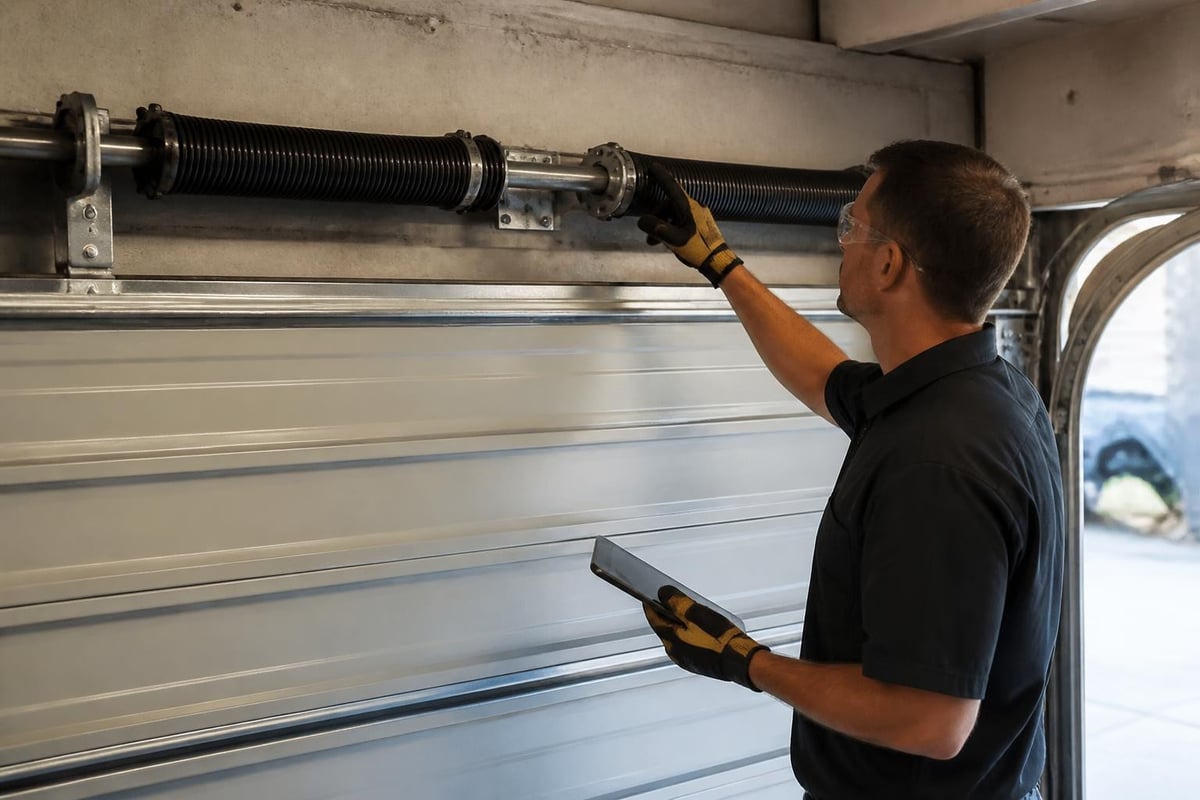
Professional roller door service includes testing and documentation of all safety features. Technicians verify proper sensor alignment, test emergency release function, and confirm warning systems operate correctly. This documentation proves essential during insurance reviews and regulatory inspections.
Preventive Maintenance Programs
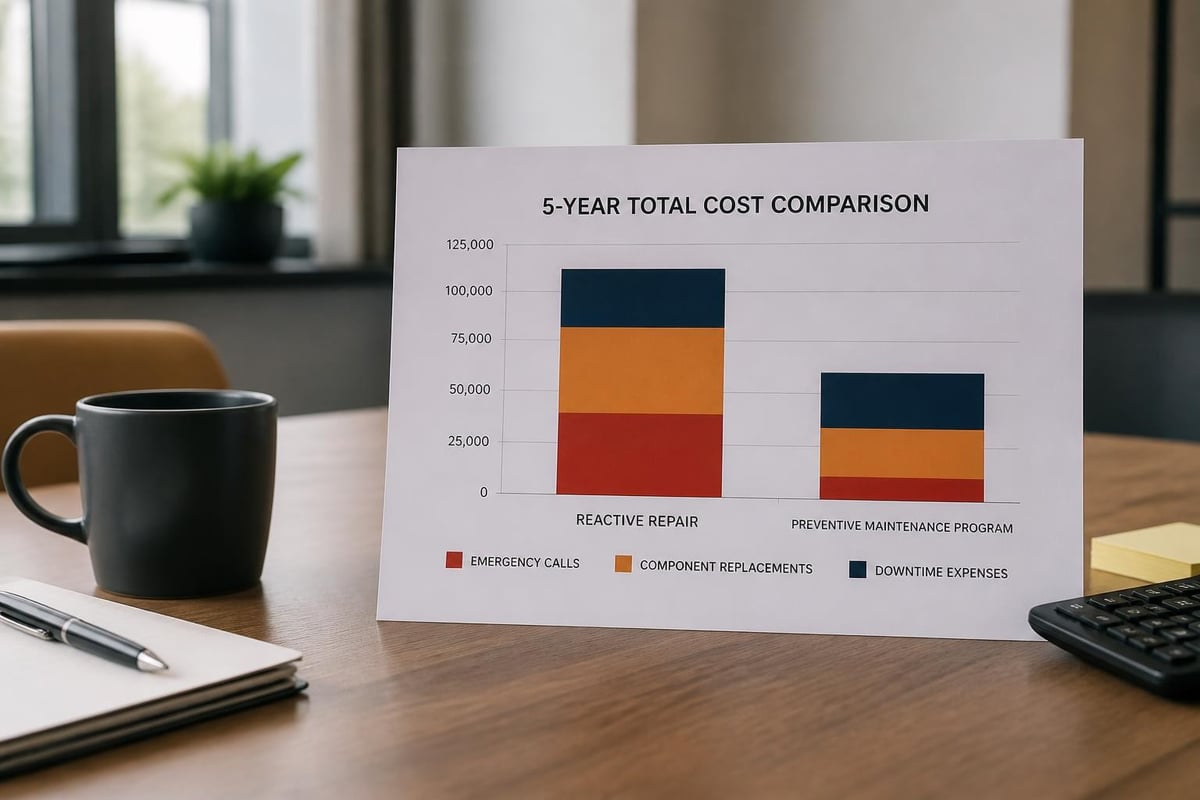
Reactive service-waiting for failures before calling technicians-costs substantially more than preventive maintenance programs. Regular service intervals identify developing problems during early stages when repairs remain simple and inexpensive.
Commercial roller doors benefit from quarterly service visits under high-use conditions. Retail security shutters cycling multiple times daily experience accelerated wear requiring frequent inspection. Storage facility doors with moderate use may extend intervals to semi-annual service while still capturing developing issues before failure.
| Door Usage Level | Recommended Service Frequency | Typical Applications |
|---|---|---|
| High-cycle (20+ daily operations) | Quarterly inspection and service | Retail storefronts, loading docks |
| Medium-cycle (5-20 daily operations) | Semi-annual comprehensive service | Storage facilities, warehouses |
| Low-cycle (1-5 daily operations) | Annual service with interim checks | Residential, seasonal buildings |
| Critical-access (security/emergency) | Monthly verification, quarterly service | Fire stations, secure facilities |
Preventive maintenance extends beyond inspection to include systematic lubrication, adjustment, and component replacement based on predictable wear patterns. Following step-by-step maintenance protocols ensures consistent service quality and complete coverage of all system elements.
Cost-Benefit Analysis of Regular Service
Property owners sometimes question the value of preventive maintenance when doors appear to function normally. However, the economics strongly favor scheduled service over reactive repairs. Emergency service calls typically cost 50-100% more than scheduled visits due to after-hours premiums and rushed parts sourcing.
Component lifespan extends significantly with proper maintenance. Springs receiving appropriate lubrication and operating within correct tension parameters last years longer than neglected units. Motors maintained within proper load ranges avoid premature failure and expensive replacement costs.
Financial advantages of preventive programs:
- Reduced emergency repair costs through early problem detection
- Extended component lifespan lowering total ownership costs
- Minimized operational downtime protecting business revenue
- Predictable maintenance budgets replacing surprise emergency expenses
- Warranty preservation maintaining manufacturer coverage through documented service
Many service providers offer maintenance agreements bundling scheduled visits, priority emergency response, and discounted repair rates. These programs simplify budgeting while ensuring consistent professional attention to critical equipment.
Evaluating Service Quotes and Pricing
Transparent pricing separates reputable roller door service providers from opportunistic operators. When requesting quotes, detailed breakdowns help identify fair market rates and avoid inflated charges for standard services.
Service call fees typically cover technician travel time and initial diagnosis. Some companies waive this fee when approving recommended repairs, while others charge separately regardless of work performed. Clarify these policies before scheduling service to avoid billing surprises.
Understanding Component and Labor Costs
Roller door repairs involve both parts and labor charges. Spring replacement might require $150-300 in components plus 1-2 hours of labor depending on door size and configuration. Motor replacements for commercial doors range from $500-1,500 for parts with similar labor requirements.
Typical service pricing ranges:
- Standard service call – $75-150 for diagnosis and minor adjustments
- Spring replacement – $200-500 depending on door size and spring type
- Track realignment – $150-300 for adjustment and securing
- Motor replacement – $600-2,000 including parts and installation
- Bottom bar repair – $100-250 for weatherstripping and alignment
- Complete curtain replacement – $800-3,000+ based on size and material
Request itemized quotes separating parts, labor, and any additional fees. This transparency allows comparison between providers and identification of unusually high or suspiciously low pricing that may indicate problems.
Emergency Service Considerations
Roller door failures occasionally demand immediate attention, particularly when they compromise building security or halt critical operations. Understanding emergency service protocols helps property owners respond effectively during urgent situations.
Most professional roller door companies offer 24/7 emergency response for critical situations. Define "emergency" clearly-a stuck door blocking warehouse operations qualifies, while a cosmetic dent causing no operational impact does not. Emergency service typically commands premium rates, often 1.5-2 times standard pricing, reflecting after-hours availability and rapid response requirements.
When facing genuine emergencies, prioritize licensed professionals over handyman services or unlicensed operators. Improper emergency repairs create safety hazards and may void equipment warranties. Emergency garage door repair specialists understand the urgency while maintaining proper safety protocols and quality standards.
Temporary Solutions and Permanent Repairs
Emergency service sometimes involves temporary stabilization followed by permanent repairs during regular business hours. A broken spring might receive temporary manual securing allowing limited operation until replacement springs arrive. Discuss these approaches with technicians-temporary fixes should include clear timelines for permanent resolution.
Document all emergency service work thoroughly. Photograph damage before and after repairs, retain all invoices and work orders, and request written explanations of performed work. This documentation proves essential for insurance claims, warranty issues, or disputes about service quality.
Manufacturer Relationships and Parts Sourcing
Quality roller door service depends heavily on access to appropriate replacement parts. Generic components may fit physically but lack the engineering specifications matching original equipment performance and longevity.
Authorized service providers maintain direct relationships with major roller door manufacturers, ensuring access to OEM (Original Equipment Manufacturer) parts and technical support. These connections prove particularly valuable for specialty doors, discontinued models, or systems with proprietary components.
| Parts Source | Advantages | Disadvantages |
|---|---|---|
| OEM direct | Exact specifications, warranty coverage | Higher cost, potential delays |
| Authorized distributors | Quality parts, technical support, availability | Moderate pricing |
| Aftermarket suppliers | Lower cost, immediate availability | Variable quality, no warranty support |
| Generic/universal parts | Lowest cost, wide availability | Compatibility issues, shorter lifespan |
Ask service providers about their parts sourcing practices. Companies stocking common components offer faster repairs, while those requiring special orders for every job create unnecessary delays. Balance cost considerations against quality and compatibility-saving $50 on a generic spring that fails prematurely proves penny-wise and pound-foolish.
Regional Considerations for Pacific Northwest Locations
Coastal environments like Bainbridge Island and Kitsap County present unique challenges for roller door systems. High humidity, salt air exposure, and moderate temperatures create specific maintenance requirements differing from arid or extreme-climate regions.
Corrosion prevention becomes paramount in marine environments. Stainless steel components, protective coatings, and aggressive lubrication schedules help combat salt air effects. Service providers familiar with coastal conditions recommend appropriate protective measures and anticipate accelerated wear patterns.
Regional service adaptations include:
- More frequent lubrication cycles using moisture-resistant products
- Corrosion inspection during every service visit
- Protective coating application on vulnerable steel components
- Upgraded weatherstripping for moisture exclusion
- Stainless hardware replacement during component updates
Understanding these modern garage door safety features and how they integrate with roller door systems helps property owners make informed decisions about necessary upgrades and service priorities.
Long-Term System Planning
Roller doors represent significant capital investments requiring strategic planning beyond immediate repair needs. Working with service providers who understand long-term planning helps maximize return on investment through appropriate maintenance, timely upgrades, and eventual replacement strategies.
Door lifespan varies dramatically based on usage intensity, environmental conditions, and maintenance quality. Well-maintained commercial roller doors in moderate climates may function reliably for 15-20 years, while neglected units in harsh environments fail within 5-7 years. Understanding your system's position in this lifecycle informs repair versus replacement decisions.
Service providers offering comprehensive assessments evaluate remaining useful life and help property owners plan accordingly. A 15-year-old door showing significant wear might warrant replacement rather than expensive repairs, particularly if considering operational upgrades or addressing safety compliance issues.
Technology Upgrades and Modernization
Older roller door systems lack modern safety features, energy efficiency improvements, and convenience technologies available in current products. Service visits present opportunities to discuss upgrade options that enhance functionality without complete system replacement.
Motor upgrades to variable-frequency drives improve operation smoothness and energy efficiency. Adding remote monitoring systems provides operational alerts and maintenance notifications. Upgrading to insulated curtains reduces energy costs for climate-controlled buildings. These enhancements often integrate with existing door structures, extending useful life while improving performance.
Building a Service History
Comprehensive maintenance records prove invaluable for warranty claims, insurance documentation, and property transactions. Systematic record-keeping demonstrates proper care and helps future service providers understand system history.
Maintain organized files including all service invoices, inspection reports, parts receipts, and warranty documentation. Photograph major repairs showing before and after conditions. Note any unusual operational issues or environmental factors affecting equipment performance.
Essential documentation elements:
- Complete service history with dates and performed work descriptions
- Parts replacement records including component specifications and sources
- Warranty information for doors, motors, and major components
- Inspection reports highlighting condition assessments and recommendations
- Emergency repair documentation explaining circumstances and temporary fixes
Digital documentation systems simplify organization and prevent loss. Many service providers offer customer portals storing service history electronically. Alternatively, simple cloud storage folders organized by date provide adequate record-keeping for most property owners.
Finding Roller Door Service Near Me
Effective searching for roller door service near me involves more than simple Google queries. Strategic research identifies qualified providers while avoiding unreliable operators or unnecessary costs.
Start by verifying basic credentials through state licensing boards and insurance verification. Check online reviews across multiple platforms-patterns matter more than individual complaints or praise. Consult industry associations like the International Door Association for member companies meeting professional standards.
Request multiple quotes for non-emergency work, but focus on value rather than lowest price. The cheapest option often cuts corners through substandard parts, rushed work, or inadequate safety compliance. Conversely, the highest-priced provider doesn't necessarily deliver superior service.
Local business associations and commercial property management networks provide valuable referrals. Companies serving multiple properties demonstrate capacity and reliability-facility managers depend on consistent service quality and won't tolerate poor performance.
Finding reliable roller door service near me requires understanding system requirements, evaluating provider qualifications, and maintaining proactive service relationships. Whether you need emergency repairs, preventive maintenance, or long-term system planning, working with experienced local professionals ensures your roller doors operate safely and reliably for years to come. NextLevel Garage Co. serves homeowners and businesses throughout Kitsap County with expert roller door service, garage door repair and installation, and comprehensive maintenance programs backed by clear communication and quality workmanship.