

Dealing with trouble with garage door opener can bring your day to a halt, especially when you are in a hurry or facing harsh weather. Today’s garage door openers are more advanced than ever, but even the smartest systems can develop glitches that leave you locked out or stuck inside.
This 2026 troubleshooting guide is designed to help you overcome both common and complex opener issues with confidence. You will learn how to identify symptoms, apply quick fixes, and tackle advanced technology problems.
Ready to regain control and peace of mind? Follow our expert steps and discover when it is time to call in a professional for lasting solutions.
Understanding How Garage Door Openers Work
Understanding your garage door system is the first step when you have trouble with garage door opener performance. Today’s openers come in a variety of types, each with unique features and maintenance needs. By learning how each part functions and what sets modern openers apart, you can troubleshoot minor issues before they become bigger problems.
Types of Garage Door Openers
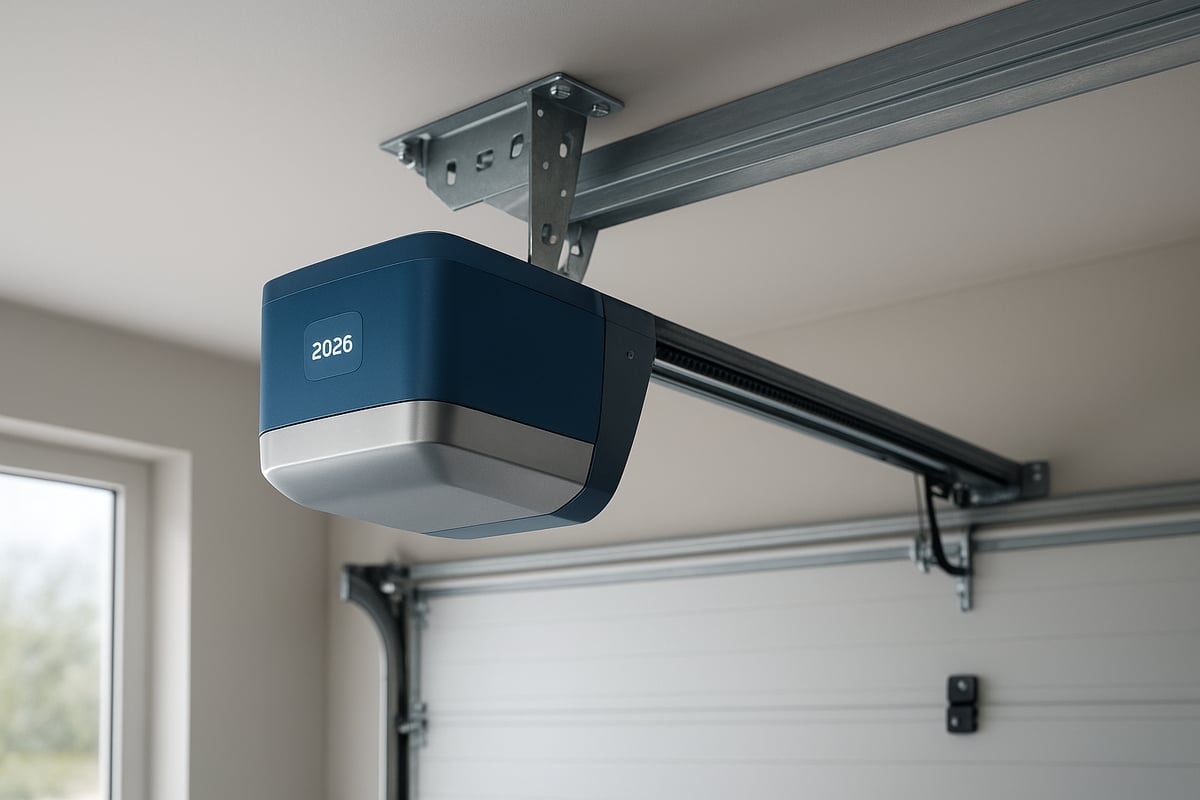
Garage door openers fall into four main categories: chain drive, belt drive, screw drive, and direct drive. Each type impacts the experience when you have trouble with garage door opener reliability. Chain drives are durable and budget-friendly, but they tend to be noisy, making them better suited for detached garages. Belt drives are much quieter, ideal for attached garages, but usually cost a bit more. Screw drives offer smooth operation with fewer moving parts, though they can be sensitive to temperature changes. Direct drive openers use a stationary chain in a steel rail for ultra-quiet and reliable movement, often found in premium brands.
In 2026, popular brands like LiftMaster, Genie, and Chamberlain offer models in all these categories. For example, a belt drive opener is an excellent choice if you prioritize quiet operation, even though it may require a higher initial investment.
Key Components and Their Functions
A garage door opener is made up of several vital parts. The motor provides the power to lift and lower the door. The trolley connects the door to the opener and moves it along the rail. Sensors, mounted near the floor, detect obstructions and stop the door from closing if something is in the way, enhancing safety. Remotes and wall switches allow you to control the opener from inside or outside the garage.
Safety features, such as auto-reverse mechanisms and rolling code technology, play a key role in preventing accidents and unauthorized access. For example, if the sensors detect an object in the door’s path, the opener will halt or reverse to prevent injury or damage.
How Modern Openers Differ from Older Models
Modern garage door openers in 2026 have evolved far beyond their predecessors. Many now feature smart technology, including Wi-Fi connectivity, app integration, and even voice control through smart home assistants. Battery backup systems ensure your opener works during power outages, and advanced security features, like encrypted access codes, help protect against hacking.
Some 2026 models offer scheduled auto-updates and biometric access for an extra layer of security. To explore these innovations in detail, check out this Understanding Garage Door Opener Technologies resource. These advancements make a significant difference when facing trouble with garage door opener systems, as diagnostics and updates can be handled remotely.
Common Signs of Trouble
It is important to recognize early warning signs when you have trouble with garage door opener performance. Unusual noises such as grinding or squeaking can indicate worn parts, while slow response times may signal electrical or mechanical issues. If your door only opens or closes partway, the problem could be with the tracks, sensors, or opener settings.
Remotes or keypads that stop working often point to battery or programming issues. Blinking safety sensors usually mean misalignment or obstruction. By spotting these signs early, you can prevent more serious trouble with garage door opener reliability and keep your system running smoothly.
Step-by-Step Troubleshooting: Diagnosing the Problem
When you encounter trouble with garage door opener systems, a systematic approach is essential. Diagnosing the issue step by step not only saves time but also prevents unnecessary repairs. Follow these six focused steps to pinpoint and address the most common and advanced opener problems.
Step 1: Check Power and Connections
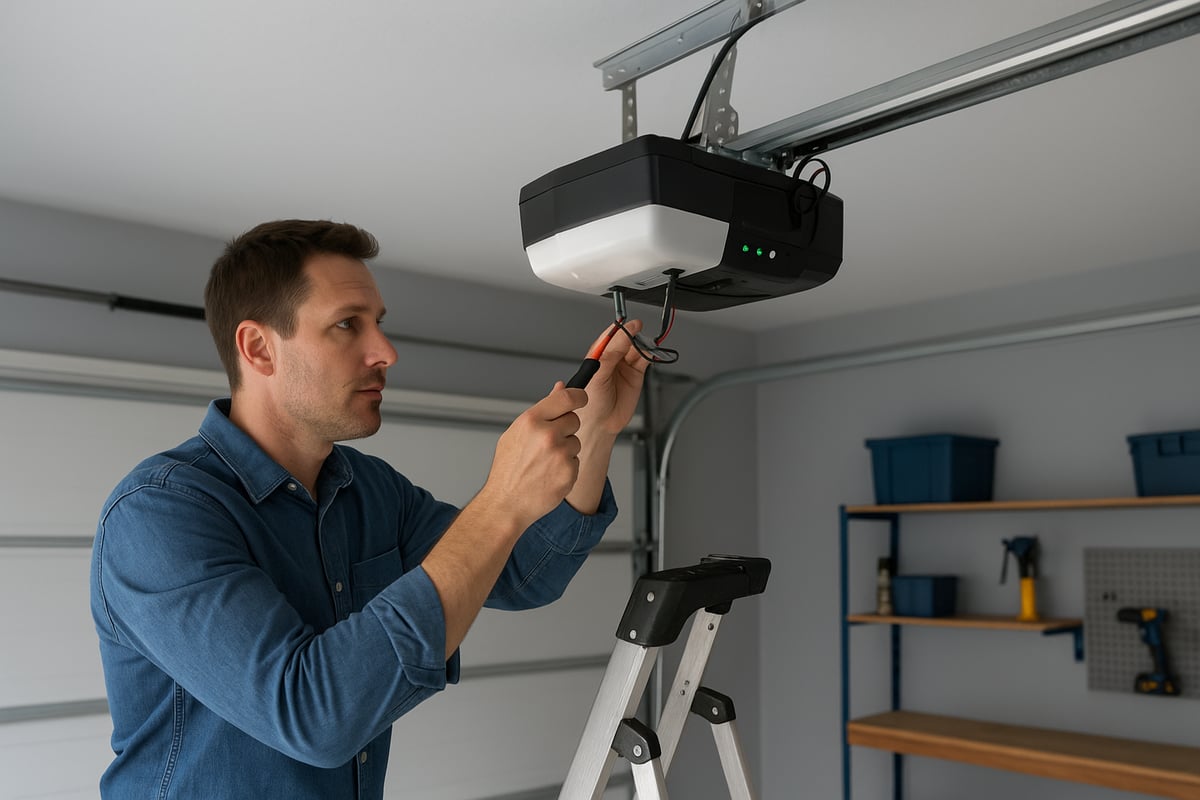
Start by confirming the garage door opener is receiving power. Unplug and replug the unit, then test the outlet with another device. If there’s still trouble with garage door opener operation, inspect the circuit breaker and any GFCI outlets connected to the opener. Power outages or tripped breakers frequently cause sudden malfunctions.
- Verify the opener is securely plugged in.
- Test the outlet for power.
- Reset any tripped breakers or GFCI outlets.
If these steps do not restore power, further electrical inspection may be necessary before proceeding.
Step 2: Test Remotes and Wall Switches
When remotes or wall switches fail, first replace the batteries in your remote. A common source of trouble with garage door opener controls is battery depletion or signal interference. Try reprogramming your remote according to the manufacturer’s instructions.
Check the wiring on the wall switch for any loose or damaged connections. Remote range issues can also result from interference by new smart home devices installed nearby. If problems persist, consult the Garage Door Opener Repair Guide for advanced remote troubleshooting steps.
Step 3: Inspect Safety Sensors
Safety sensors play a vital role in preventing accidents. If you notice blinking sensor lights, this often signals misalignment or obstruction, both causing trouble with garage door opener safety features. Gently clean the sensor lenses with a soft cloth and ensure both sensors are facing each other.
LED indicators provide diagnostic clues:
| LED Status         | Meaning               |
|--------------------|----------------------|
| Solid Green        | Aligned, functioning |
| Blinking/Red       | Misaligned/Obstructed|
Remove any debris in the sensor’s path and realign as needed. Proper sensor alignment is crucial for safe operation.
Step 4: Examine Door Balance and Tracks
Disconnect the opener and manually lift the garage door. A balanced door should open smoothly and remain in place when halfway up. If you have trouble with garage door opener movement, check for binding, debris, or bent tracks that could hinder operation.
Inspect the tracks for obstructions and clear any buildup. Heavy or unbalanced doors can strain the motor, leading to premature failure. Address binding or imbalance before re-engaging the opener.
Step 5: Listen for Unusual Noises
Strange noises often point to mechanical issues. Listen for grinding, squeaking, or rattling sounds while operating the opener. If you hear new or persistent noises, you may have trouble with garage door opener hardware.
Identify the source:
- Grinding: worn gears
- Squeaking: lack of lubrication
- Rattling: loose hardware
Tighten bolts and lubricate moving parts as needed. Replace worn components promptly to avoid further complications.
Step 6: Review Opener Settings and Limits
Improperly set travel or force limits can cause trouble with garage door opener performance, such as incomplete opening or closing. Refer to your opener’s manual to locate the adjustment dials or buttons.
Steps to recalibrate:
- Locate travel and force limit settings.
- Adjust incrementally and test door movement.
- If the issue persists, reset the opener to factory settings.
Incorrect settings can prevent the door from closing fully or reverse unexpectedly. Restore original settings if adjustments do not resolve the problem.
Fixing the Most Common Garage Door Opener Issues
Experiencing trouble with garage door opener systems is a common challenge for homeowners. This section covers the most frequent issues, providing clear steps to diagnose and resolve each problem efficiently. Whether your opener is unresponsive, noisy, or facing sensor glitches, the guidance below will help restore smooth operation.
Opener Won’t Respond to Remote or Wall Switch
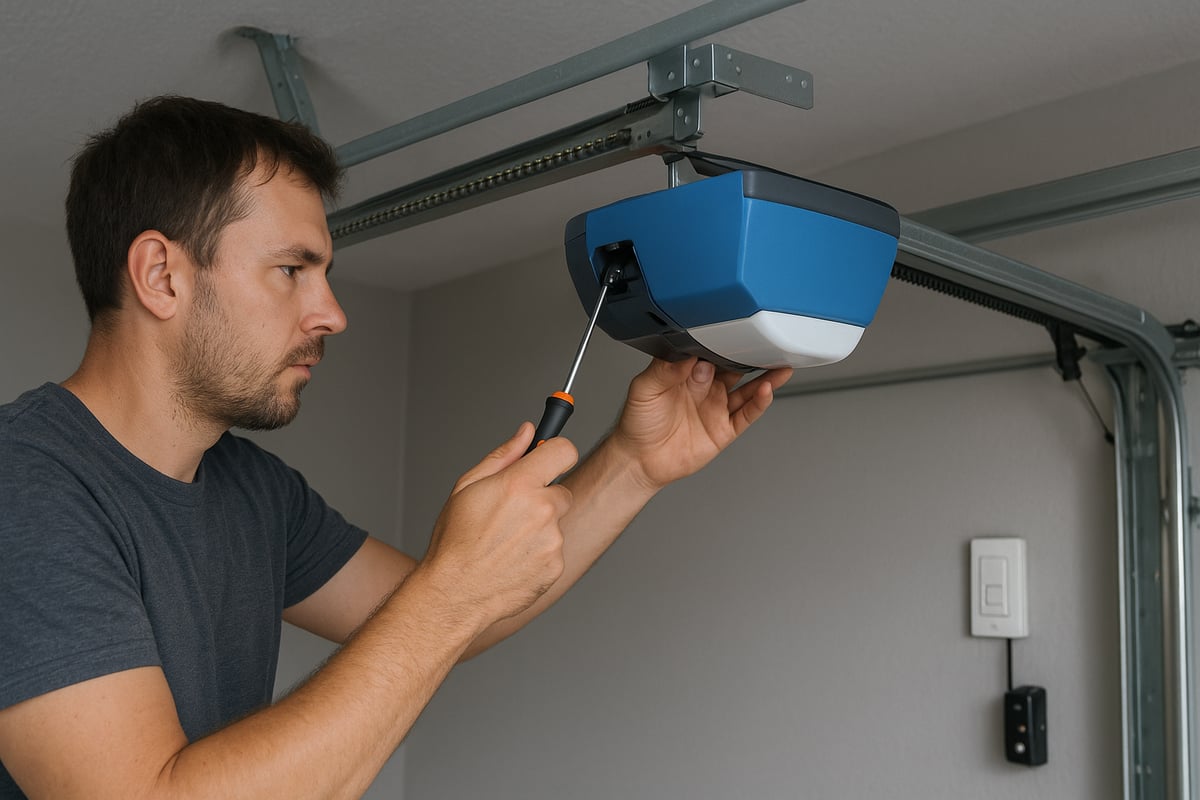
When you encounter trouble with garage door opener response, start by checking the basics. Dead batteries, signal interference, or faulty wiring are the usual suspects.
- Replace batteries in the remote.
- Reprogram remotes following the manufacturer’s guide.
- Inspect the wall switch wiring for loose connections.
Signal issues are increasingly common in 2026, especially due to Wi-Fi interference from new smart home devices. If these steps do not resolve the trouble with garage door opener controls, consult a Common Garage Door Problems and Solutions guide for more advanced diagnostics.
Door Won’t Open or Close Completely
Partial movement often signals trouble with garage door opener settings or sensor alignment. The limit switch may need recalibration.
- Check for obstructions on the tracks or at the threshold.
- Realign safety sensors if they’ve been bumped, as misalignment can prevent full closure.
- Adjust the opener’s travel and force limits according to the user manual.
If you still have trouble with garage door opener operation, inspect the tracks for debris or bends that could impede movement. Addressing these factors should restore full functionality.
Noisy Operation or Jerky Movement
Unusual sounds or jerky motion indicate mechanical trouble with garage door opener components. Common causes include insufficient lubrication, worn parts, or loose hardware.
- Lubricate the chain, rollers, and hinges with a garage door lubricant.
- Tighten any loose bolts or brackets.
- Inspect for worn gears, especially in chain drive models.
Chain drive openers tend to be noisier, so regular maintenance is key. If noise persists, this may signal deeper trouble with garage door opener mechanics.
Opener Runs but Door Doesn’t Move
Sometimes, the opener’s motor runs but the door remains still, a classic sign of trouble with garage door opener engagement.
- Ensure the trolley is properly engaged; it may have disconnected during a recent power outage.
- Inspect the drive gear and coupler for visible damage or stripping.
- Re-engage the trolley by following your opener’s manual instructions.
If the problem continues, there may be internal damage needing professional attention, as persistent trouble with garage door opener movement can stress the system.
Keypad or Remote Programming Issues
Programming errors are a frequent source of trouble with garage door opener systems, especially with advanced models in 2026.
- Clear the opener’s memory if too many remotes are stored.
- Follow step-by-step reprogramming instructions for your smart opener.
- Perform a factory reset to update outdated codes and enhance security.
Some models may require firmware updates for compatibility. If you run into repeated trouble with garage door opener programming, consult your manufacturer’s support resources.
Safety Sensor Problems
Safety sensors are vital, and trouble with garage door opener safety features can compromise operation.
- Gently clean sensor lenses to remove dirt or cobwebs.
- Realign sensors so their indicator lights remain steady.
- Check wiring for any visible wear or disconnection.
For 2026, many openers feature upgraded sensors that meet new safety codes. Replacing outdated sensors can resolve persistent trouble with garage door opener safety systems and improve reliability.
Advanced Troubleshooting for Smart Garage Door Openers
Smart openers have transformed how we manage garages, but new features can also introduce more complex problems. If you are experiencing trouble with garage door opener technology, advanced troubleshooting is essential. Let us explore key issues and targeted solutions for modern systems.
Connectivity and App Integration Problems
Connectivity failures are common in 2026, especially as openers rely on dual-band Wi-Fi and cloud-based services. If your garage door app cannot connect, first check your Wi-Fi signal strength near the opener. Relocate your router or add a mesh node if needed.
Next, confirm the opener and app are both on the latest firmware. Reboot your phone and the opener, then re-pair the devices. Sometimes, interference from other smart devices can cause trouble with garage door opener connectivity. For insights into the latest innovations and troubleshooting steps, see Modern Garage Door Innovations.
If issues persist, consult your opener’s manual for network reset instructions. Most new models offer a step-by-step Wi-Fi setup process in their app.
Voice Assistant and Smart Home Integration Issues
Many homeowners integrate their garage into Alexa, Google Home, or Apple HomeKit. If your voice commands stop working, start by verifying that your opener is still linked in your smart home app. Sometimes, permissions expire or need to be reauthorized.
Remove and re-add the device in your assistant’s settings. Ensure your account credentials are up to date. If you still have trouble with garage door opener voice controls, check for updates in both the opener and assistant apps.
Rebooting your smart speaker and the opener can resolve lingering glitches. If integration fails, contact your opener’s support for compatibility notes on 2026 models.
Security and Access Control Glitches
Modern openers use rolling codes and even biometrics to secure access. If you notice unauthorized access or your remote stops working, update the opener’s firmware immediately. Change all access codes and reset guest permissions.
Trouble with garage door opener security features can also arise from outdated encryption. For smart openers, enable two-factor authentication where available. Monitor access logs in your app to detect suspicious activity.
If your model offers biometric access, re-enroll fingerprints or facial recognition after any system reset. Always keep your opener’s software current for optimal protection.
Battery Backup and Power Failure Solutions
During a power outage, a reliable battery backup ensures you can still operate the door. Test your backup monthly by unplugging the opener and operating the door. If the battery fails, replace it with an approved model.
Some 2026 openers offer solar charging for eco-friendly backup. If you have trouble with garage door opener power during outages, check for loose connections or corroded terminals on the battery.
Use the manual release cord if needed, but always re-engage the trolley afterward. Schedule regular maintenance to avoid surprises when you need access most.
Firmware and Software Updates
Firmware updates resolve bugs and keep security features current. To update, check your opener’s app for notifications or scheduled auto-updates. Follow all instructions carefully to prevent bricking the device.
If you encounter trouble with garage door opener updates, ensure a stable internet connection before starting. Never unplug the opener during the process. For comprehensive troubleshooting tips, visit the Garage Door Troubleshooting Guide.
After an update, recheck all settings including limits, remotes, and integrations. Regular updates help prevent advanced glitches and keep your system running smoothly.
When to Call a Garage Door Professional
When you find yourself facing persistent trouble with garage door opener systems, it's crucial to know when DIY fixes are no longer enough. While many issues can be handled at home, certain problems demand expert intervention to ensure your safety and protect your investment.
Signs You Need Expert Help
If you experience repeated trouble with garage door opener performance, it's a strong sign to call a professional. Broken springs or cables, doors that suddenly drop, or opener units that fail after multiple DIY attempts are serious safety risks.
Another red flag is a garage door that moves unevenly or makes loud, unusual sounds even after lubrication and track checks. Attempting major repairs, especially spring replacement, can be dangerous due to high tension components. Additionally, if your opener is still under warranty, professional service may be required to avoid voiding coverage.
How to Choose a Qualified Technician
Selecting the right professional ensures your trouble with garage door opener systems is resolved safely and efficiently. Always verify that the technician is licensed and insured in your area.
Research local reputation through online reviews and ratings with organizations like the BBB. Before hiring, ask about their experience with your specific opener model, what services are included, and if they guarantee their work. Reliable experts will offer clear answers and written estimates before starting any job.
Cost Expectations and Service Warranties
Understanding the financial side of fixing trouble with garage door opener issues helps you make informed decisions. Typical repair costs in 2026 range from $150 to $350, depending on the complexity of the problem and your location. Many reputable companies provide warranties on both parts and labor.
To dive deeper into pricing specifics and what influences repair costs, check out this Garage Door Opener Repair Cost Breakdown. Reviewing warranty terms before authorizing repairs ensures you know what is covered in case of future issues.
| Service Type | Average Cost (2026) | Warranty Coverage |
|---|---|---|
| Opener Repair | $150–$350 | Parts & Labor (varies) |
| Spring Replacement | $200–$400 | Parts & Labor |
| Full Installation | $400–$700 | Parts & Labor |
NextLevel Garage Co.: Local Garage Door Experts in Kitsap County
For Kitsap County homeowners dealing with any trouble with garage door opener systems, NextLevel Garage Co. delivers fast, professional repairs and installations. Their team is fully licensed, insured, and maintains an A+ BBB rating for your peace of mind.
They specialize in diagnosing complex opener problems, performing safety inspections, and upgrading to the latest smart technology. NextLevel Garage Co. offers free estimates, transparent communication, and same-day emergency service. They serve Bainbridge Island, Poulsbo, Silverdale, Kingston, and surrounding communities, making expert help just a call away.
If you’ve worked through the troubleshooting steps and your garage door opener still isn’t cooperating—or if you’re facing complex issues with smart technology or safety features—it’s reassuring to know you don’t have to tackle it alone. At NextLevel Garage Co., we specialize in diagnosing and repairing even the most stubborn opener problems, whether it’s a traditional system or the latest 2026 model. Our team is committed to clear communication, fast turnaround, and lasting solutions for your home. When you’re ready for expert help and peace of mind, Call now for a free estimate!
One Response