

Running a successful tyre garage requires more than just technical expertise with vehicles and tire installations. Whether you're operating a standalone tire service center or integrating tire services into a broader automotive repair business, understanding the fundamentals of equipment selection, safety compliance, customer communication, and operational efficiency separates thriving operations from struggling ones. The automotive service industry continues to evolve with new tire technologies, changing customer expectations, and stricter regulatory requirements, making it essential for garage owners and managers to stay current with best practices. This comprehensive guide explores the critical components of running an effective tyre garage, from workspace design and equipment investment to customer education and regulatory compliance.
Essential Equipment for Modern Tyre Garage Operations
Setting up a tyre garage requires careful consideration of both mandatory and optional equipment that directly impacts service quality and operational efficiency. The core equipment list includes tire changers, wheel balancers, alignment machines, and air compressors, each serving distinct functions in the tire service workflow.
Tire Changers and Efficiency Standards
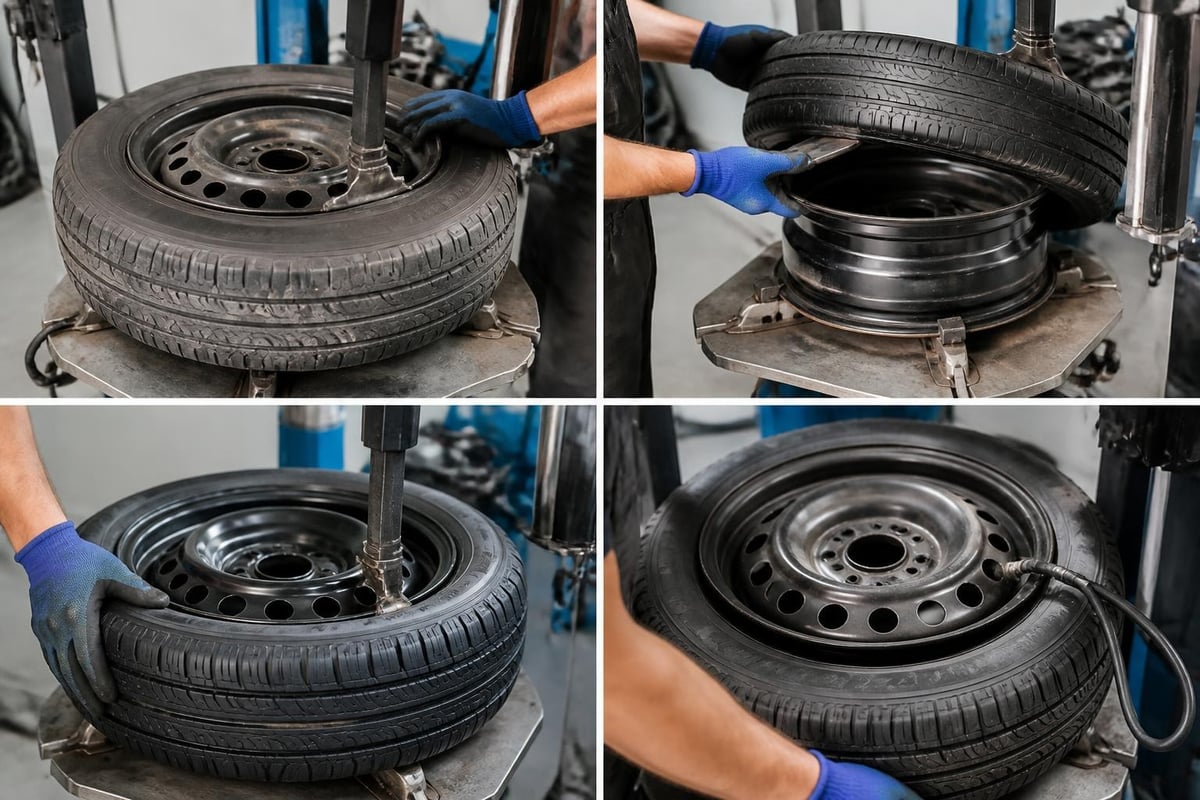
Professional tire changers represent one of the most significant equipment investments for any tyre garage. Modern machines range from basic manual-assist models to fully automatic systems with touchless mounting capabilities. Improving tyre changer efficiency involves mastering bead breaking, mounting techniques, and machine readiness protocols that can dramatically reduce service times.
Key considerations when selecting a tire changer include:
- Rim diameter capacity: Standard passenger vehicle changers typically handle 10-24 inch rims, while truck-capable models extend to 26 inches or larger
- Assistance level: Semi-automatic machines require operator intervention for bead positioning, while fully automatic systems minimize manual handling
- Tilt-back tower design: Allows technicians to work at ergonomic heights and reduces physical strain during high-volume days
- Bead press systems: Help seat stubborn low-profile and run-flat tires without damage
Wheel Balancing and Alignment Technology
Wheel balancers ensure smooth operation and extend tire life by identifying and correcting weight distribution issues. Modern digital balancers provide faster, more accurate results than older spin-type models. Most tyre garage operations benefit from investing in balancers with automatic data entry, which reduces input errors and speeds up the balancing process.
Alignment equipment represents a higher-tier investment but opens revenue opportunities beyond basic tire services. Four-wheel alignment machines using camera-based technology have become industry standard, offering precision measurements and detailed printouts that help justify service recommendations to customers.
| Equipment Type | Entry-Level Cost | Professional Grade | Key Features |
|---|---|---|---|
| Tire Changer | $2,000-$4,000 | $8,000-$15,000 | Auto-clamp, helper arm, bead press |
| Wheel Balancer | $1,500-$3,000 | $5,000-$10,000 | Laser measurement, auto-weight placement |
| Alignment System | $15,000-$25,000 | $40,000-$70,000 | Camera-based, database updates, reporting |
Safety Protocols and Regulatory Compliance
Operating a tyre garage involves inherent safety risks that require comprehensive protocols and ongoing staff training. Health and safety guidelines for tyre fitting premises cover electrical safety, machinery use, proper lifting techniques, and workspace organization standards that protect both employees and customers.
Critical Safety Areas in Daily Operations
Tire servicing presents multiple hazard categories that demand specific safety measures. Pneumatic equipment operating at high pressures can cause serious injuries if mishandled. Tire cages or restraining devices should be mandatory when inflating tires, particularly for multi-piece rim assemblies or damaged wheels.
Staff must receive proper training on:
- Lock-out/tag-out procedures for equipment maintenance and repair
- Personal protective equipment requirements including safety glasses, steel-toe boots, and hearing protection in high-noise areas
- Proper lifting techniques to prevent back injuries when handling heavy tires and wheels
- Chemical handling protocols for tire mounting lubricants, cleaners, and sealants
- Emergency response procedures for equipment failures, injuries, or fires
Many regions require specific certifications for tire technicians. Staying current with training requirements not only ensures compliance but also demonstrates professionalism that builds customer trust. Similar to how garage door services prioritize safety compliance and proper installation techniques, tyre garage operations must maintain rigorous safety standards.
Commercial Vehicle Tire Regulations
For tyre garage operations serving commercial fleets, understanding federal and state tire regulations becomes essential. Commercial vehicle tire standards specify minimum tread depth requirements, load ratings, and prohibited defects that can result in violations during roadside inspections.
Commercial tire services should maintain detailed documentation of:
- Tire specifications and load ratings for each vehicle serviced
- Inspection reports documenting tread depth measurements
- Replacement recommendations based on wear patterns or damage
- Service dates and technician certifications
This documentation protects both the tyre garage and its commercial customers from liability issues while supporting fleet maintenance programs.
Customer Service Excellence in the Tyre Garage Environment
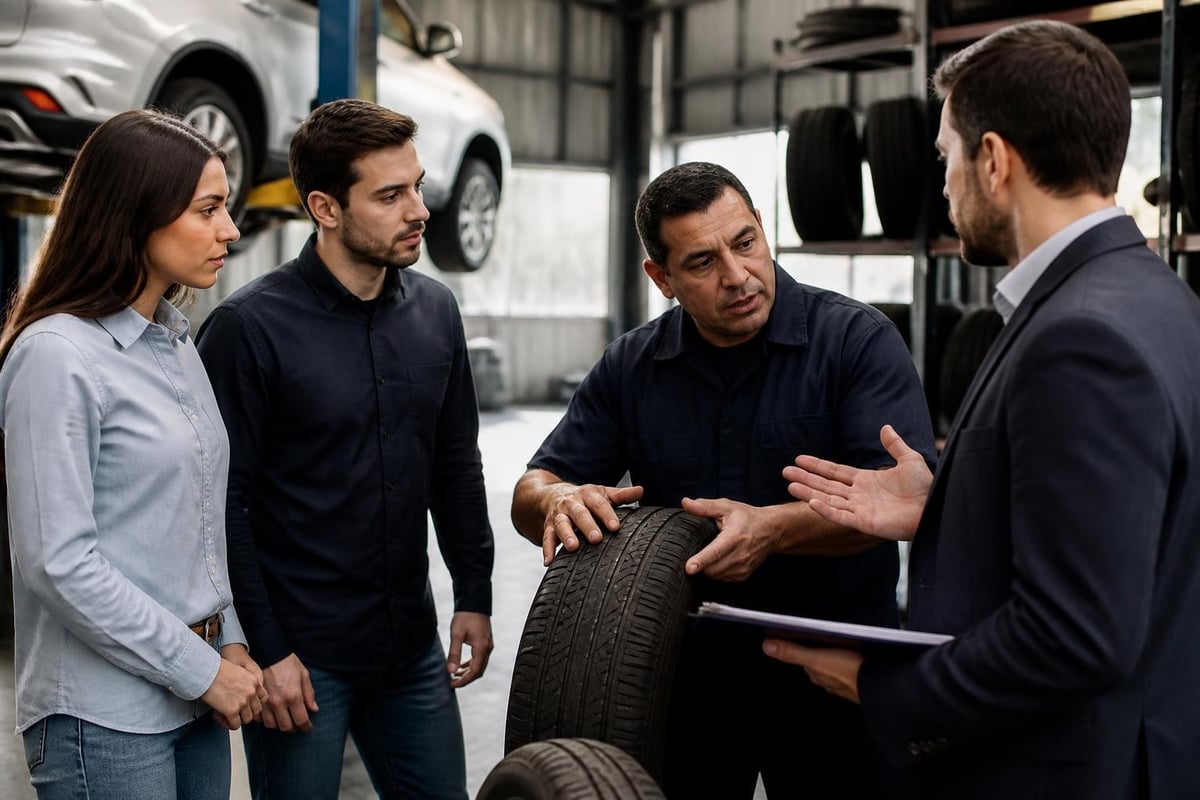
Technical competence forms the foundation of a successful tyre garage, but customer service quality often determines long-term success and referral generation. Common mistakes that drive customers away include poor communication about pricing, excessive wait times, and failure to explain service recommendations clearly.
Transparent Pricing and Service Communication
Modern consumers expect upfront pricing information before committing to services. Successful tyre garage operations display clear pricing for common services including mounting, balancing, valve stem replacement, and disposal fees. Hidden charges or surprise add-ons damage customer relationships and generate negative reviews that impact future business.
Effective price communication strategies include:
- Digital menu boards displaying service packages and individual service pricing
- Online booking systems that provide instant quotes based on vehicle make and model
- Written estimates before beginning work, especially for additional services discovered during inspection
- Explanation of value connecting premium tire options to specific customer needs like weather conditions, driving habits, or vehicle type
Educating Customers About Tire Maintenance
Helping customers understand the importance of proper tire care transforms one-time transactions into ongoing service relationships. Many vehicle owners lack basic knowledge about recommended rotation intervals, proper inflation pressure, or signs of abnormal wear patterns.
A professional tyre garage should provide:
- Visual tread depth demonstrations using gauge tools that customers can easily understand
- Tire pressure monitoring with explanations of how inflation affects fuel economy, handling, and tire life
- Wear pattern analysis showing customers the physical evidence of alignment issues, under-inflation, or suspension problems
- Seasonal recommendations for areas experiencing winter weather, including proper tire storage practices when swapping between summer and winter sets
Similar to how garage door professionals might explain the benefits of modern opener systems to homeowners, tire technicians should translate technical information into customer-friendly language that supports informed decision-making.
Inventory Management and Supplier Relationships
Effective inventory control directly impacts profitability in tyre garage operations. Stocking the right mix of tire sizes, brands, and price points requires understanding your customer base, local vehicle demographics, and seasonal demand patterns.
Balancing Stock Levels with Cash Flow
Tire inventory represents significant capital investment. Overstocking ties up cash and risks obsolescence as manufacturers introduce new models, while understocking leads to lost sales and customer frustration. Many successful tyre garage operations maintain agreements with regional distributors for next-day or same-day delivery of common sizes, allowing them to minimize on-site inventory while still meeting customer needs.
| Inventory Strategy | Advantages | Disadvantages |
|---|---|---|
| Full In-House Stock | Immediate availability, higher margins | High capital requirements, obsolescence risk |
| Just-In-Time Ordering | Lower investment, reduced storage needs | Delivery delays, potential lost sales |
| Hybrid Approach | Balanced investment, good availability | Requires careful demand forecasting |
Supplier Partnership Development
Building strong relationships with tire manufacturers and distributors provides competitive advantages beyond product availability. Preferred partners often offer:
- Warranty support that simplifies claim processing and replacement tire sourcing
- Training programs keeping technicians updated on new tire technologies and installation requirements
- Marketing materials including point-of-sale displays, seasonal promotion graphics, and digital assets
- Rebate programs that improve margins during promotional periods
Diversifying supplier relationships reduces vulnerability to supply chain disruptions while providing options for different customer budget levels and brand preferences.
Workspace Design and Workflow Optimization
The physical layout of a tyre garage significantly impacts operational efficiency, customer experience, and employee satisfaction. Well-designed facilities separate customer waiting areas from service bays, provide clear traffic flow for vehicles entering and exiting, and organize equipment to minimize technician movement during service procedures.
Service Bay Configuration
Each service bay in a productive tyre garage should provide sufficient space for vehicle positioning, tire storage during service, and technician movement around the vehicle. Standard bay dimensions of 12 feet wide by 25 feet deep accommodate most passenger vehicles and light trucks comfortably.
Optimal equipment placement positions tire changers and balancers in close proximity, reducing the distance technicians carry heavy wheel assemblies between stations. Air supply lines, electrical outlets, and compressed air connections should be readily accessible at each service position without creating trip hazards or requiring extension cords.
Customer Waiting Area Considerations
While customers increasingly drop vehicles off or wait elsewhere during tire services, many still prefer to remain on-site for simple jobs like tire rotation or balance services. Professional waiting areas demonstrate respect for customers' time and comfort, encouraging them to choose your tyre garage over competitors.
Effective waiting areas include:
- Comfortable seating with adequate space between seats
- WiFi access with clearly posted password information
- Beverage options ranging from basic coffee to bottled water
- Clean restroom facilities maintained throughout the day
- Television or reading materials appropriate for diverse audiences
- Large windows or screens displaying service progress
Environmental Responsibility and Waste Tire Management
Responsible end-of-life tire management has become both a regulatory requirement and a customer expectation. Tyre garage operations generate significant volumes of scrap tires that require proper handling, storage, and disposal through licensed recyclers.
Compliance Documentation and Best Practices
Most jurisdictions require tyre garages to maintain detailed records of waste tire volumes, disposal dates, and hauler certifications. These documents protect businesses from liability if improperly disposed tires create environmental hazards or illegal dumping situations.
Best practices for tire waste management include:
- Designated storage areas that prevent water accumulation and mosquito breeding
- Regular pickup schedules preventing excessive accumulation beyond permitted storage limits
- Proper tire preparation including cutting or shredding if required by recyclers
- Documentation systems tracking tire receipts from customers through final disposal
- Recycler verification confirming licensed status and proper end-use applications
Progressive tyre garage operations communicate their environmental responsibility to customers, differentiating themselves from less conscientious competitors. Display certifications prominently and include information about your recycling practices in customer communications.
Technology Integration for Modern Tyre Garage Management
Digital tools have transformed tyre garage operations from paper-based systems to integrated platforms managing appointments, inventory, customer records, and marketing communications. Cloud-based shop management software provides real-time visibility into business performance while streamlining daily operations.
Point of Sale and Customer Relationship Systems
Modern POS systems designed for automotive service businesses integrate multiple functions that previously required separate software or manual processes. These platforms typically include:
- Customer vehicle history tracking previous services, tire purchases, and warranty information
- Appointment scheduling with automated confirmation and reminder messaging
- Digital vehicle inspections allowing technicians to document conditions with photos and videos
- Inventory management updating stock levels automatically as tires are sold and installed
- Marketing automation sending service reminders, promotional offers, and customer satisfaction surveys
Just as businesses in service areas like Kingston benefit from modern scheduling systems, tyre garage operations see improved efficiency and customer satisfaction through technology adoption.
Online Reputation Management
Customer reviews significantly influence purchasing decisions in the automotive service industry. A tyre garage's online reputation across platforms like Google, Yelp, and Facebook often determines whether potential customers choose to visit or look elsewhere.
Proactive reputation management involves:
- Consistent review monitoring across all platforms where customers might post feedback
- Prompt response protocols addressing both positive reviews (with thanks) and negative reviews (with solutions)
- Service recovery processes converting dissatisfied customers into advocates through genuine problem resolution
- Review generation systems requesting feedback from satisfied customers immediately after service completion
Staff Training and Technical Skill Development
The quality of work performed in any tyre garage directly correlates with technician skill levels and ongoing training investment. As tire technology evolves with run-flat designs, tire pressure monitoring systems, and advanced rubber compounds, continuous education becomes essential rather than optional.
Certification Programs and Industry Standards
Multiple organizations offer tire technician certifications that validate skills and knowledge. The Tire Industry Association (TIA) provides comprehensive training covering passenger and light truck tires, commercial truck tires, and specialized applications. ASE (Automotive Service Excellence) offers suspension and steering certifications that complement tire service capabilities.
Certification benefits include:
- Improved service quality through standardized procedures and best practices
- Reduced liability exposure by ensuring technicians follow manufacturer specifications
- Enhanced credibility when explaining service recommendations to customers
- Higher employee retention as workers value employers who invest in their professional development
Cross-Training Opportunities
While specialized tire technicians excel at high-volume tire services, cross-training staff in related areas creates operational flexibility. Technicians with basic knowledge of brake systems, suspension components, and wheel bearing service can identify issues during tire installations, generating additional service opportunities while helping customers address safety concerns.
This comprehensive approach mirrors how companies like NextLevel Garage Co. combine multiple service capabilities to provide complete solutions rather than isolated repairs.
Seasonal Considerations and Market Adaptation
Tyre garage operations experience predictable seasonal patterns that require strategic planning for staffing, inventory, and marketing. Understanding these cycles allows businesses to maximize revenue during peak periods while maintaining sustainable operations year-round.
Weather-Driven Demand Fluctuations
Regions with distinct seasons see dramatic shifts in tire service demand. Spring typically brings increased volume as customers address winter damage and prepare vehicles for vacation season. Fall generates winter tire installations in snow-prone areas. Hot summer months in certain regions create tire failure spikes from heat-related issues and road debris.
Strategic seasonal planning includes:
- Staffing adjustments adding temporary technicians during peak months
- Extended hours during high-demand periods to accommodate customer schedules
- Inventory pre-positioning ensuring adequate stock of seasonal tire types before demand surges
- Promotional timing offering competitive pricing during slower periods to generate traffic
Adapting to Market Changes
The tire industry continues evolving with electric vehicle adoption, changing tire size trends toward larger wheels, and emerging technologies like self-sealing tires. Successful tyre garage operations monitor these trends and adapt equipment, training, and service offerings accordingly.
Electric vehicles present unique considerations including:
- Heavier vehicle weights requiring tires with higher load ratings
- Instant torque characteristics accelerating tire wear compared to traditional vehicles
- Specialized tire compounds optimizing range and reducing rolling resistance
- Lower noise priorities as tire noise becomes more noticeable without engine sound
Operating a successful tyre garage requires balancing technical expertise, customer service excellence, safety compliance, and business management fundamentals. Whether you're establishing a new tire service operation or improving an existing business, focusing on equipment quality, staff development, and customer communication creates the foundation for sustainable growth. While tyre garage operations differ from other service businesses, the principles of quality workmanship and clear communication apply universally. For homeowners and businesses throughout Kitsap County seeking reliable garage services including door installation, repairs, and custom solutions, NextLevel Garage Co. delivers the same commitment to excellence that defines successful service operations across all industries.