

Understanding what influences the price garage door repair services charge helps homeowners and business owners budget effectively and avoid unexpected expenses. Whether you're dealing with a broken spring, malfunctioning opener, or bent track, repair costs vary based on multiple factors including component type, labor intensity, emergency service needs, and regional market conditions. This comprehensive guide breaks down pricing structures, common repair scenarios, and smart strategies for managing garage door repair expenses throughout Kitsap County and beyond.
Understanding Core Components That Affect Repair Pricing
The price garage door repair companies charge depends heavily on which components require attention. Each part of your garage door system serves a critical function, and replacement or repair costs vary significantly based on complexity and material quality.
Spring Replacement Costs and Considerations
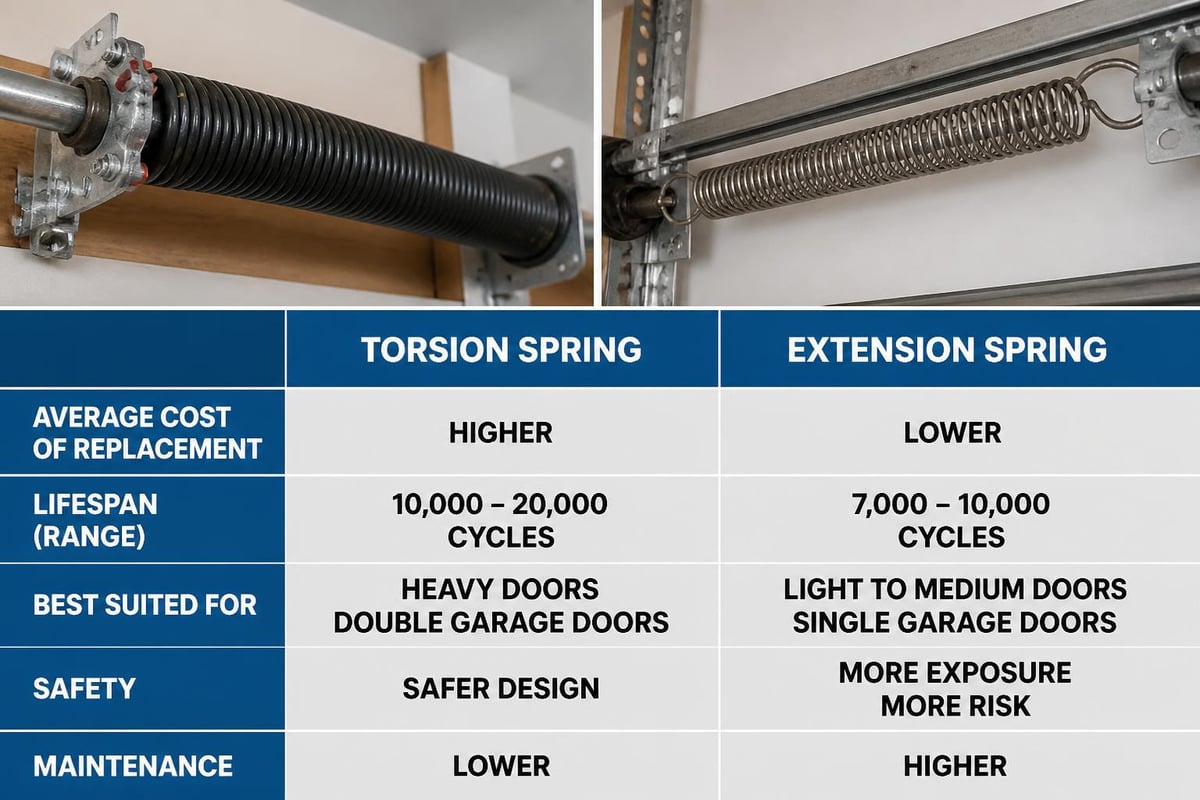
Garage door springs are among the most commonly replaced components. Torsion springs, which mount above the door, typically cost between $150 and $350 for professional replacement, including labor. Extension springs, which run along the tracks, generally range from $100 to $200 per pair.
Several factors influence spring replacement pricing:
- Spring quality and cycle rating (10,000 cycles vs. 50,000 cycles)
- Door weight and size (heavier doors require stronger springs)
- Number of springs (double-car garages often have two torsion springs)
- Accessibility (confined spaces may increase labor time)
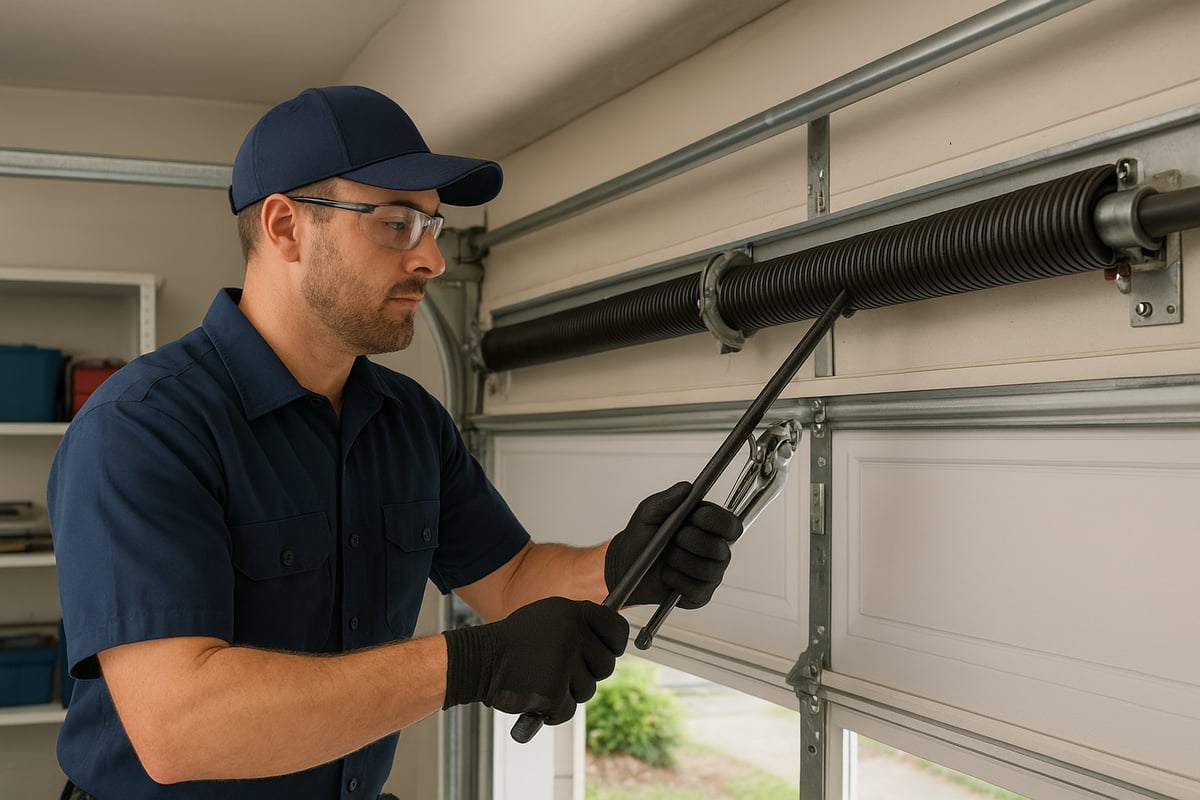
Spring replacement requires specialized tools and knowledge of tension adjustment, making professional service essential for safety. According to recent cost analysis data, attempting DIY spring replacement often leads to additional expenses when improper installation causes further damage.
Opener Repair and Replacement Economics
When your opener fails, technicians first diagnose whether repair or replacement makes financial sense. Simple repairs like sensor realignment, circuit board fixes, or gear replacement typically cost $100 to $250. Complete opener replacement ranges from $250 to $600, depending on drive type and features.
Modern opener options include:
| Drive Type | Price Range | Best For | Noise Level |
|---|---|---|---|
| Chain Drive | $200-$350 | Budget-conscious homeowners | Moderate to loud |
| Belt Drive | $300-$500 | Attached garages, quiet operation | Very quiet |
| Screw Drive | $250-$400 | Minimal maintenance needs | Moderate |
| Wall-Mount Jackshaft | $400-$600 | Low clearance, premium features | Extremely quiet |
Homeowners facing opener issues should consider the unit's age and repair frequency. If your opener exceeds 12-15 years and requires its second or third repair, replacement often delivers better long-term value. For expert guidance on modern technologies, explore our article on understanding garage door opener technologies in 2026.
Track and Roller System Repairs
Bent or misaligned tracks create dangerous operating conditions and accelerate wear on other components. Track straightening costs between $125 and $200 when caught early. Complete track replacement ranges from $200 to $400 per side, including new mounting hardware.
Roller replacement represents a more affordable repair, typically $10 to $15 per roller for nylon or steel variants. Most technicians recommend replacing all rollers simultaneously to ensure uniform operation and prevent future service calls.
Regional and Service-Level Pricing Variations
The price garage door repair services quote varies significantly based on geographic location, service timing, and company structure. Understanding these variations helps homeowners evaluate quotes and schedule repairs strategically.
Geographic Cost Differences in the Pacific Northwest
Kitsap County homeowners experience pricing that reflects regional economic conditions. Metropolitan areas like Seattle and Tacoma typically charge 15-25% more than island communities due to higher overhead costs. However, service call fees to Bainbridge Island may include additional travel charges from mainland-based companies.
Local companies often provide more competitive pricing for routine repairs because they minimize travel time and maintain relationships within the community. The average garage door repair cost nationwide sits around $225, but Pacific Northwest rates range from $175 to $400 depending on repair complexity.
Emergency and After-Hours Service Premiums
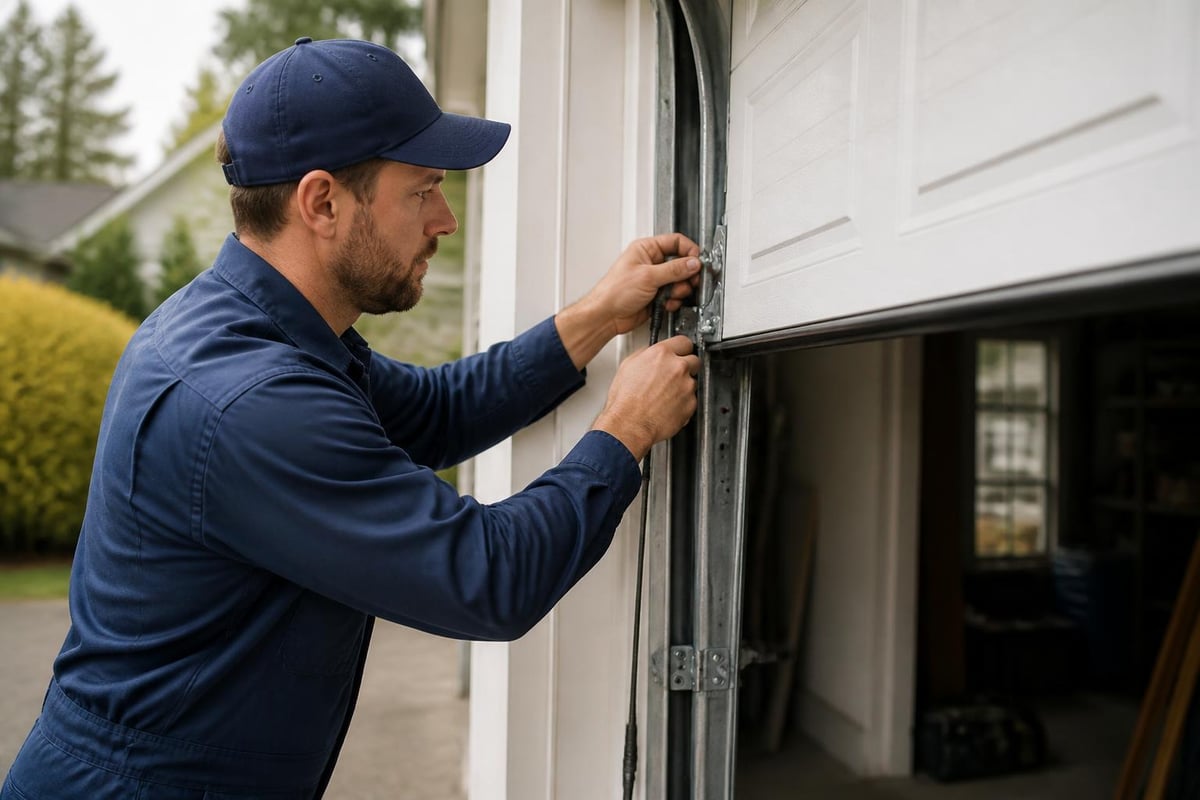
Standard business-hour repairs cost substantially less than emergency calls. Consider these typical premium structures:
- Evening service (5 PM – 9 PM): 25-35% surcharge
- Weekend repairs: 30-50% additional cost
- Holiday emergency service: 50-100% premium
- Immediate dispatch (within 2 hours): $75-$150 additional fee
Property managers and business owners dealing with security concerns may justify emergency rates, but residential customers can often wait for standard scheduling to avoid premiums. According to comprehensive pricing guides, strategic scheduling saves homeowners an average of $100-$200 per service call.
Company Size and Pricing Models
National franchise operations typically charge more than independent local companies, though they may offer standardized warranties and broader service hours. Small, locally-owned operations like NextLevel Garage Co. often provide personalized service and competitive pricing because they maintain lower overhead and focus on community reputation rather than corporate quotas.
Understanding company pricing structures reveals value differences:
- Flat-rate pricing: Predetermined costs for specific repairs (easier budgeting)
- Hourly rates plus parts: $75-$150/hour (transparency varies)
- Diagnostic fees: $50-$100 (often waived if repair proceeds)
- Service call minimums: $125-$200 (covers basic visit costs)
Common Repair Scenarios and Expected Costs
Breaking down the price garage door repair services charge for specific problems helps homeowners recognize fair market rates and budget appropriately for both planned and unexpected repairs.
Panel Damage and Replacement Pricing
Single panel replacement costs between $200 and $500, depending on door style, material, and manufacturer. Steel panels run cheaper than wood or custom designs. Matching discontinued styles may require sourcing from specialty suppliers, increasing both parts and labor costs.
When multiple panels require replacement or damage affects structural integrity, complete door replacement often makes more financial sense. Homeowners can learn about making this decision through resources on garage panel replacement considerations.
Cable and Pulley System Repairs
Lift cables work in tandem with springs to raise and lower your door safely. Cable replacement typically costs $150 to $250, including both cables for balanced operation. Frayed or snapped cables indicate excessive wear and often coincide with aging springs that also require attention.
Pulley replacement adds $75 to $150 to repair costs. Technicians recommend addressing both components simultaneously because cable failure often damages pulleys during the breakdown event.
Safety Sensor and Hardware Adjustments
Modern garage doors include critical safety features that prevent closing on objects or people. Sensor realignment represents one of the most affordable repairs at $75 to $125. Sensor replacement costs $100 to $200 for quality photoelectric units.
Additional hardware repairs include:
- Lock mechanism repair: $100-$175
- Weatherstripping replacement: $75-$150
- Hinge replacement: $20-$40 per hinge (labor additional)
- Bottom seal replacement: $50-$100
These repairs often accompany larger service calls, and bundling multiple minor fixes typically costs less than scheduling separate visits. The latest cost insights show bundled service saves homeowners 20-30% on labor charges.
Strategic Budgeting and Cost Management Approaches
Smart homeowners approach the price garage door repair quotes strategically, balancing immediate needs against long-term value while avoiding unnecessary expenses or risky shortcuts.
Repair Versus Replacement Decision Framework
Determining when repair makes sense versus investing in replacement requires evaluating several factors. Age plays a crucial role-doors exceeding 20-25 years often cost more to maintain annually than amortizing new installation costs over time.
Calculate your repair-to-value ratio by dividing the quoted repair cost by the estimated replacement cost. When this ratio exceeds 50%, replacement deserves serious consideration. A $600 repair on a door that would cost $1,000 to replace suggests replacement may deliver better value, especially if the door shows additional wear signs.
| Scenario | Likely Best Choice | Key Consideration |
|---|---|---|
| Single spring break, 8-year-old door | Repair | Cost-effective, door has life remaining |
| Multiple component failures, 22-year-old door | Replace | Accumulated costs exceed value |
| Opener malfunction, otherwise functional door | Repair opener | Door condition independent of opener |
| Severe panel damage, 15-year-old door | Evaluate both | Depends on panel availability and costs |
Additional considerations include energy efficiency improvements with modern doors, enhanced security features, and potential home value increases from updated appearance.
Preventive Maintenance Return on Investment
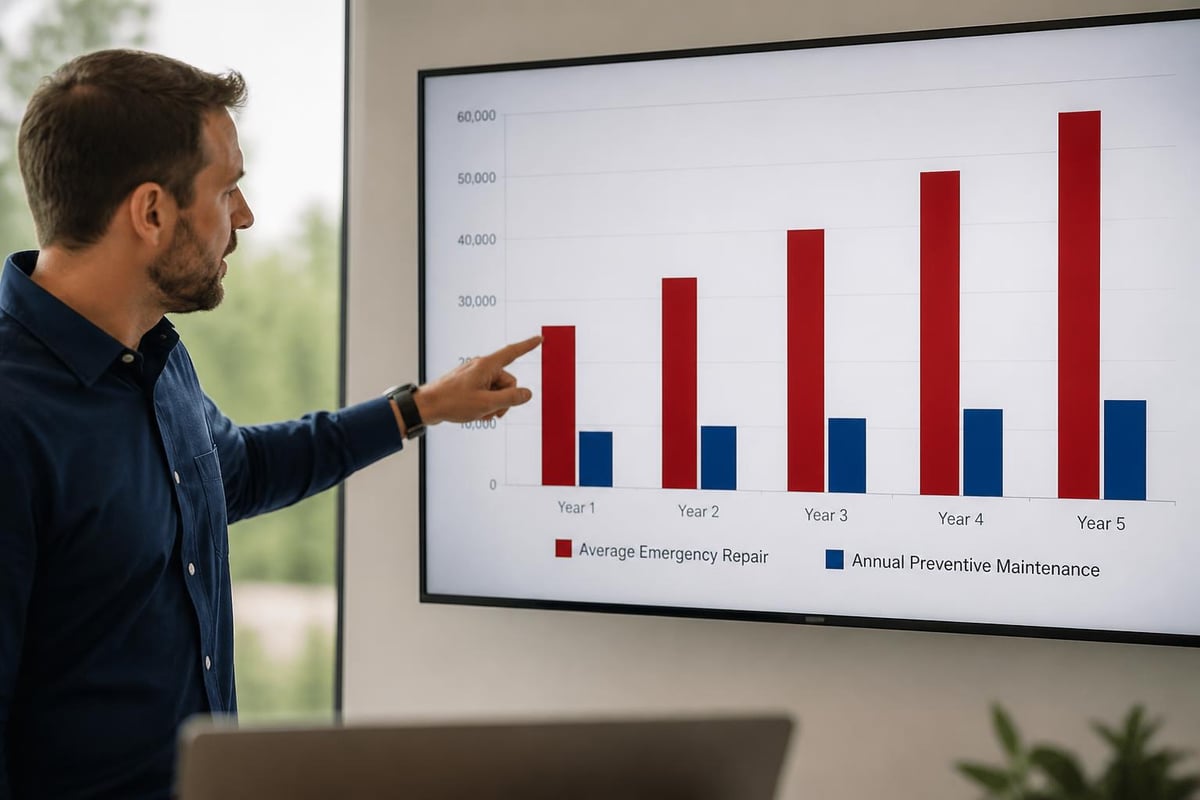
Regular maintenance reduces emergency repair frequency and extends component lifespan. Professional annual inspections cost $75 to $150 but identify small issues before they escalate into expensive failures. Our guide on maintaining garage doors year-round provides specific maintenance tasks homeowners can perform.
DIY maintenance activities with high ROI include:
- Monthly visual inspections (free, catches problems early)
- Quarterly lubrication ($5-$10 annually for quality lubricant)
- Semi-annual hardware tightening (prevents premature wear)
- Weather seal inspection (prevents water damage and energy loss)
Homeowners who invest $100-$150 annually in preventive maintenance typically save $300-$500 in avoided emergency repairs, according to industry cost studies.
Getting Accurate Quotes and Avoiding Hidden Fees
Obtaining multiple quotes helps establish fair market pricing for your specific repair needs. Request itemized estimates that separate parts, labor, disposal fees, and any additional charges. Reputable companies provide transparent pricing before starting work.
Watch for these potential hidden costs:
- Disposal fees for old doors or components ($50-$100)
- Permit fees for complete door replacement ($50-$200, jurisdiction-dependent)
- Material delivery charges for special-order parts
- Parking or access fees in some commercial settings
Ask specific questions about warranty coverage, both for parts and labor. Quality companies typically offer 1-2 year labor warranties and pass through manufacturer warranties on components. Confirming these details upfront prevents disputes if issues arise post-repair.
Special Considerations for Commercial Properties
Business owners and property managers face unique factors when evaluating the price garage door repair services quote for commercial applications. These doors endure higher usage cycles and often require specialized components.
High-Cycle Commercial Door Repairs
Commercial garage doors in retail, warehouse, or automotive settings may cycle 10-20 times daily versus 3-4 cycles for residential applications. This intensive use demands high-cycle springs rated for 50,000-100,000 cycles, costing $300-$600 for professional installation.
Commercial-grade openers designed for frequent operation range from $500 to $1,500, depending on horsepower requirements and access control integration. These systems include features like three-phase motors, battery backup, and connection capabilities for business security systems.
Multi-Unit Property Repair Strategies
Property managers overseeing apartment complexes or business parks can negotiate volume pricing for regular maintenance contracts. Monthly or quarterly service agreements typically reduce per-unit costs by 15-25% compared to individual service calls.
Standardizing components across multiple units simplifies inventory management and reduces emergency repair costs. When all doors use identical springs, rollers, and openers, technicians arrive prepared with correct parts, eliminating return visits and expediting repairs.
Accessibility and Building Code Compliance
Commercial repairs must meet ADA requirements and local building codes. Code compliance upgrades may accompany repairs, adding $200-$800 depending on requirements. Common updates include UL-listed components, fire-rated doors, or enhanced safety features.
Professional garage door repair companies ensure work meets current codes, protecting property owners from liability. For businesses needing regular garage door inspections, establishing relationships with qualified local providers streamlines compliance and reduces costs.
Material Quality and Component Longevity Impact
The price garage door repair reflects not just immediate service costs but long-term value through component quality selection. Understanding material grades helps homeowners make informed decisions balancing upfront costs against replacement frequency.
Spring Quality Tiers and Cycle Ratings
Standard springs (10,000 cycles) suit occasional-use doors and cost 30-40% less than premium options. For typical residential use (4 cycles daily), these provide approximately 7 years of service. High-cycle springs (25,000-50,000 cycles) cost more initially but deliver 15-30 years of reliable operation.
The math favors quality: A $200 standard spring replacement every 7 years costs approximately $29 annually. A $280 high-cycle spring lasting 20 years costs $14 annually, plus you avoid two additional service call fees totaling $150-$250.
Opener Drive System Durability
Chain drives represent the most economical option but require more frequent maintenance and produce more operational noise. Belt-drive systems cost 40-60% more but typically outlast chain drives by 5-8 years while operating significantly quieter.
For homes with living spaces above or adjacent to garages, the premium for belt-drive systems recovers value through improved quality of life and longer service intervals between replacements.
Hardware Material Considerations
Roller materials significantly impact performance and longevity:
- Steel rollers: $3-$5 each, 10,000-15,000 cycles, noisier operation
- Nylon rollers: $8-$15 each, 15,000-20,000 cycles, quieter
- Sealed bearing nylon: $12-$18 each, 25,000+ cycles, maintenance-free
Choosing quality rollers during repair visits extends the time until the next service need. When combined with proper lubrication maintenance, premium rollers often outlast the garage door itself.
Insurance and Warranty Considerations
Understanding how insurance and warranties affect the price garage door repair actually costs homeowners requires examining coverage details and claim processes that many property owners overlook.
Homeowners Insurance Coverage Scenarios
Standard homeowners policies typically cover garage door damage from covered perils like wind, hail, falling trees, or vehicle impact. Normal wear and tear, including spring failures from age, generally falls outside coverage.
When filing claims, consider your deductible against repair costs. A $500 deductible makes little sense for a $400 spring replacement but proves worthwhile for $2,500 in storm damage repairs. According to comprehensive repair cost data, most single-component repairs fall below common deductible thresholds.
Manufacturer and Labor Warranties
New garage door installations include manufacturer warranties covering defects, typically 1-5 years for components and lifetime coverage for certain structural elements. Understanding warranty terms prevents paying for repairs that should be free.
Labor warranties from installation companies typically extend 1-2 years, covering workmanship issues separate from parts coverage. When hiring repair services, confirm whether work includes warranty protection and document all service in case future warranty claims become necessary.
Service Contract Benefits and Limitations
Annual service contracts bundle preventive maintenance with discounted repair rates, typically costing $150-$300 annually. These agreements benefit high-use doors or aging systems prone to failures but may not justify costs for newer, lightly-used residential doors.
Evaluate service contracts by calculating potential savings on anticipated repairs versus annual contract costs. Commercial properties almost always benefit from these arrangements, while residential homeowners should assess their door's age and usage patterns.
Seasonal Factors and Timing Considerations
Strategic timing affects the price garage door repair through seasonal demand fluctuations, weather-related urgencies, and technician availability patterns that vary throughout the year.
Peak Season Price Variations
Garage door repair demand spikes during spring and fall when temperature fluctuations stress components and homeowners tackle maintenance projects. Some companies implement seasonal pricing adjustments, charging 10-15% more during peak months.
Winter brings cold-weather failures, particularly spring breaks caused by metal contraction and lubrication thickening. However, lower overall demand may result in faster service scheduling and potential negotiating leverage on non-emergency repairs.
Weather-Related Damage Timing
Storm damage creates urgent repair needs, particularly after severe weather events affecting multiple properties simultaneously. Widespread damage scenarios reduce negotiating power as qualified technicians face full schedules and may implement emergency pricing.
Planning proactive inspections before storm seasons identifies vulnerable components for scheduled replacement, avoiding emergency situations and premium pricing. This approach particularly benefits coastal Kitsap County properties exposed to marine weather patterns.
Optimal Scheduling Strategies
Mid-week appointments during business hours typically command the lowest rates, while maintaining flexible scheduling. Homeowners with predictable work-from-home schedules can leverage this timing advantage for significant savings.
When problems arise requiring professional attention, you'll find responsive local service through providers like NextLevel Garage Co. who prioritize clear communication and fair pricing regardless of seasonal pressures. Their expertise in garage door spring repair ensures residents throughout Kitsap County receive prompt, professional service that addresses safety concerns while respecting budget constraints.
DIY Versus Professional Service Cost Analysis
Evaluating the true price garage door repair demands comparing DIY attempts against professional service while accounting for tool investments, time requirements, safety risks, and outcome quality.
DIY-Appropriate Maintenance Tasks
Homeowners can safely perform several maintenance activities without specialized expertise:
- Lubrication application (annual savings: $50-$75)
- Weatherstripping replacement (savings: $75-$100)
- Visual inspections and minor adjustments (preventive value)
- Remote control battery replacement and programming (savings: $40-$60)
These tasks require minimal tool investment (under $50 total) and pose little safety risk when performed according to manufacturer guidelines. The cumulative annual savings range from $150-$250 while maintaining door performance.
Repairs Requiring Professional Expertise
Certain repairs demand specialized knowledge, tools, and safety equipment that make DIY attempts financially and physically risky:
- Spring replacement (injury risk from stored tension energy)
- Cable repairs (improper installation creates dangerous failure modes)
- Track straightening or replacement (requires precision alignment)
- Opener installation and calibration (electrical knowledge required)
Professional service ensures proper completion, includes warranty protection, and eliminates personal injury risk. The repair cost considerations clearly demonstrate that botched DIY attempts often double total costs when professionals must correct improper work.
Hidden DIY Costs and Risks
Beyond obvious tool purchases, DIY repairs carry hidden expenses:
| Hidden Cost Category | Typical Impact | Prevention Strategy |
|---|---|---|
| Incorrect parts ordering | $50-$200 wasted | Professional consultation |
| Additional damage from mistakes | $200-$800 | Honest skill assessment |
| Personal injury | $1,000-$10,000+ | Avoid high-risk repairs |
| Extended door downtime | Varies | Quick professional scheduling |
The time investment also matters-what takes professionals 45 minutes might require homeowners 3-4 hours, including research, parts acquisition, and troubleshooting. Calculating your hourly value against labor charges often reveals professional service costs less than DIY when time has monetary value.
Understanding the factors that influence price garage door repair empowers homeowners and business owners throughout Kitsap County to make informed decisions balancing immediate costs against long-term value. From component quality selection to strategic timing and preventive maintenance, smart approaches reduce overall expenses while maintaining safe, reliable garage door operation. When you need expert guidance or professional repairs on Bainbridge Island and throughout Kitsap County, NextLevel Garage Co. delivers transparent pricing, quality workmanship, and the clear communication that helps you understand exactly what you're paying for and why it matters.