

A bent garage door panel can transform from a minor eyesore into a major operational headache faster than most homeowners expect. Whether caused by an accidental vehicle bump, severe weather conditions, or general wear over time, panel damage compromises both the aesthetic appeal and functional integrity of your garage door system. Understanding your repair options, replacement costs, and when to call professionals helps you make informed decisions that protect your investment and maintain your home's curb appeal throughout Kitsap County.
Understanding Bent Garage Door Panel Damage
Garage door panels serve as the primary protective barrier between your home's interior and external elements. When one or more panels become bent, the entire door system experiences increased stress and reduced efficiency.
Common Causes of Panel Damage
Vehicle impact ranks as the leading cause of bent panels in residential settings. Misjudging distances while backing out or pulling in creates enough force to dent or crease steel, aluminum, or composite materials. Even minor impacts can create visible damage that worsens over time.
Storm debris presents another significant threat. High winds carrying branches, outdoor furniture, or other objects can strike garage doors with considerable force. The types of garage door materials you've installed determine how well panels withstand these impacts, with steel doors generally offering better resistance than aluminum alternatives.
Other contributing factors include:
- Temperature fluctuations causing material expansion and contraction
- Aging hardware that fails to support panel weight properly
- Poor installation leading to uneven stress distribution
- Rust or corrosion weakening structural integrity
- Children using the door for recreational activities
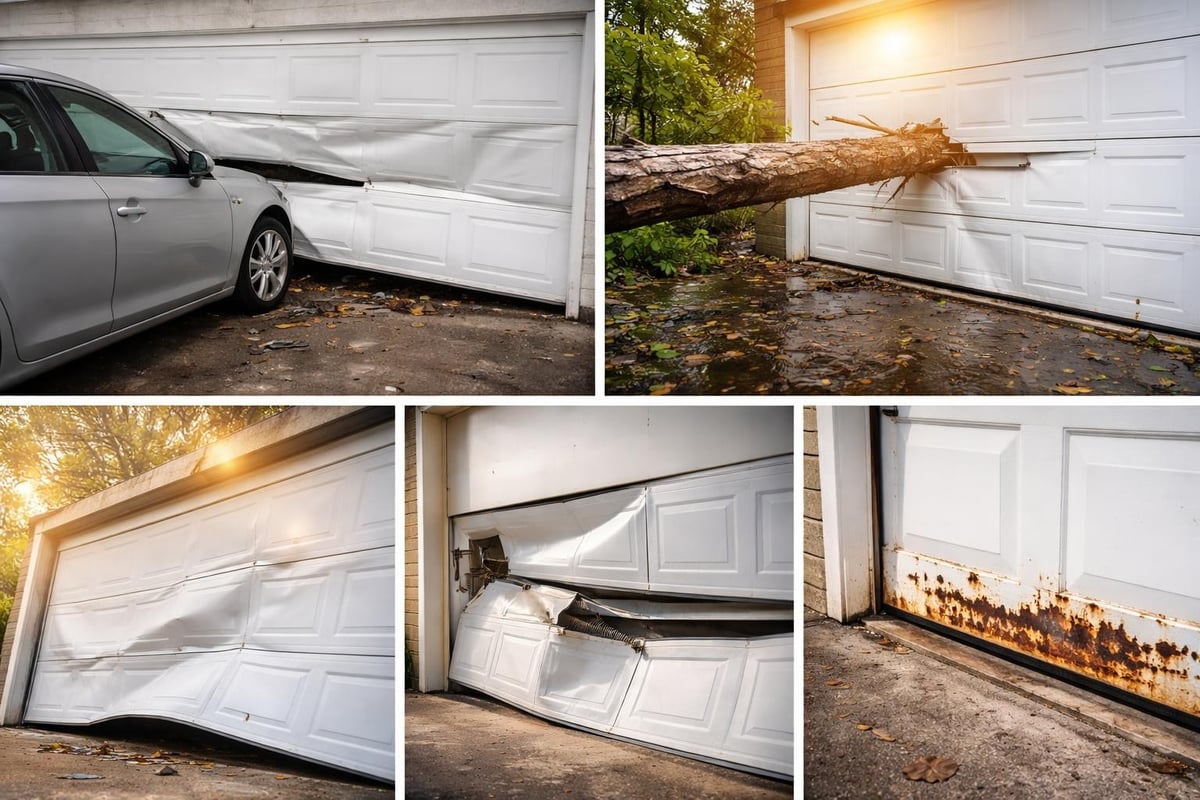
Identifying Severity Levels
Not all bent garage door panel damage requires immediate replacement. Minor dents measuring less than two inches in diameter without creasing may respond well to DIY repairs. Moderate damage involving creases or bends affecting panel rigidity typically demands professional assessment.
Severe damage creates operational problems beyond aesthetics. When panels bend enough to interfere with track alignment, roller movement, or weather seal contact, repairs become urgent safety concerns. These situations often appear alongside garage door track bent issues that compound the problem.
| Damage Level | Characteristics | Recommended Action |
|---|---|---|
| Minor | Small dents, no creases, door operates smoothly | DIY repair or monitoring |
| Moderate | Visible creases, slight operational hesitation | Professional assessment |
| Severe | Track interference, seal gaps, operational failure | Immediate professional repair |
Repair Options for Bent Panels
Addressing a bent garage door panel quickly prevents secondary damage to springs, openers, and track systems. The repair approach depends on damage severity, panel material, and your budget constraints.
DIY Repair Methods
Homeowners with basic tools and mechanical aptitude can attempt repairs on minor panel damage. Video tutorials demonstrate techniques for working with different panel materials, though success rates vary based on damage extent.
Heat and pressure techniques work best for shallow dents in steel panels. Using a heat gun to warm the affected area makes metal more pliable, allowing careful pressure from behind to push out minor deformations. This method requires patience and precision to avoid creating additional damage.
For aluminum panels, cold-working with specialized body tools produces better results than heat application. Rubber mallets and wooden blocks allow gradual reshaping without marring the surface finish.
- Clean the damaged area thoroughly
- Apply appropriate temperature treatment
- Work gradually from damage edges toward center
- Test door operation frequently during repair
- Apply touch-up paint to prevent rust formation
Professional Repair Services
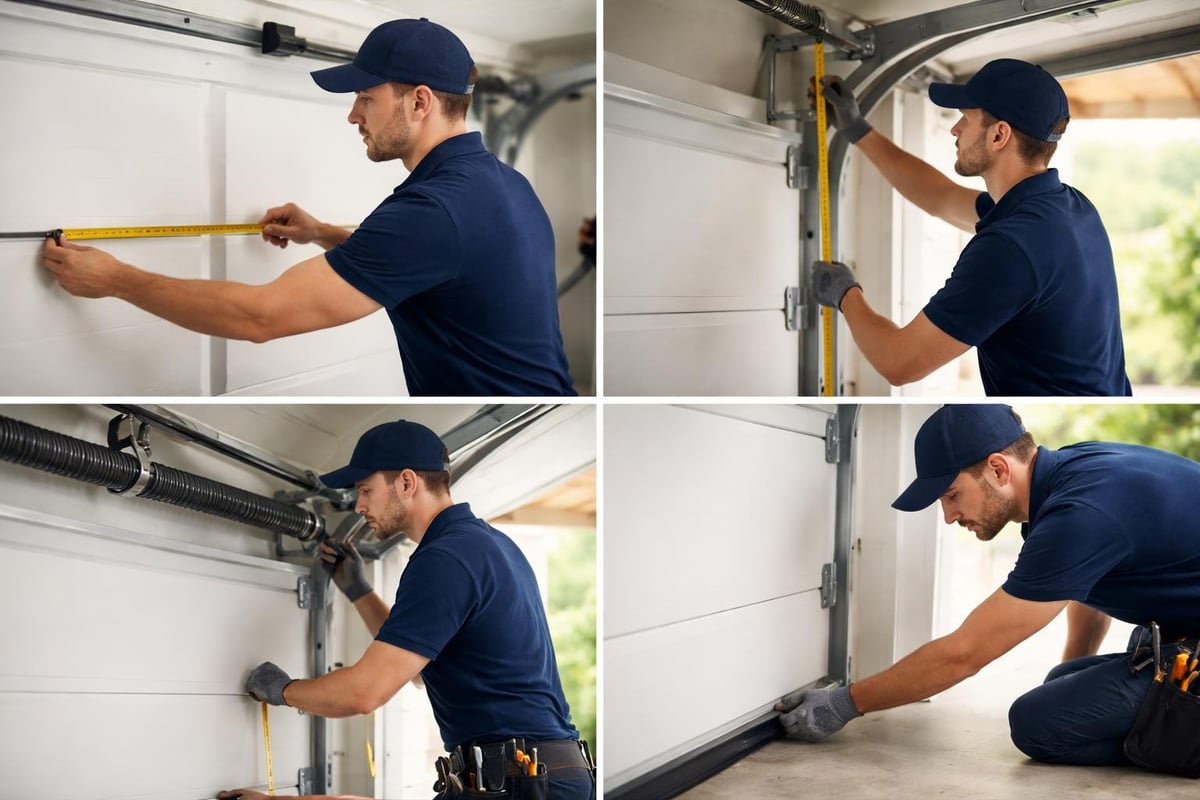
Complex bent garage door panel situations benefit from professional expertise and specialized equipment. Experienced technicians assess whether repair remains viable or replacement becomes necessary based on structural integrity concerns.
Professional services include panel realignment, track adjustment, and spring rebalancing to ensure smooth operation after repair. These comprehensive approaches address both visible damage and underlying mechanical stress that DIY efforts often miss.
Panel Replacement Considerations
When repair proves impractical or cost-ineffective, replacement becomes the logical solution. Understanding replacement factors helps homeowners budget appropriately and select suitable materials.
Cost Factors and Material Selection
Panel replacement expenses vary significantly based on material composition, panel size, and door style. Standard steel panels for single-car doors typically cost less than custom wood or insulated composite options for oversized commercial applications.
Material costs break down as follows:
| Material Type | Average Panel Cost | Durability Rating | Maintenance Level |
|---|---|---|---|
| Steel | $150-$400 | High | Low |
| Aluminum | $200-$500 | Moderate | Low |
| Wood | $300-$800 | Moderate | High |
| Composite | $250-$600 | High | Low |
Additional expenses include labor, disposal fees for damaged panels, and potential hardware upgrades. Material-specific pricing considerations help homeowners understand total project costs before committing to replacement.
Matching Existing Door Design
Finding exact panel matches presents challenges for older garage doors. Manufacturers discontinue styles, colors, and profiles regularly, making identical replacements difficult after five to ten years. This reality sometimes forces homeowners to choose between mismatched panels or complete door replacement.
Working with local suppliers familiar with common door brands in the Pacific Northwest increases your chances of finding suitable matches. NextLevel Garage Co. maintains relationships with major manufacturers serving Bainbridge Island and surrounding areas, facilitating access to both current and legacy panel designs.
When perfect matches prove unavailable, strategic panel placement minimizes visual impact. Replacing bottom panels where color variance appears less obvious than mid-height sections maintains better overall appearance.
Single Panel vs. Full Door Replacement
Economic calculations determine whether single panel replacement or full door installation makes better financial sense. If your door requires multiple panel replacements or exceeds 15 years of age, complete door replacement often provides better long-term value.
Benefits of full replacement include:
- Consistent appearance across all panels
- Updated insulation improving energy efficiency
- Modern safety features meeting current building codes
- Warranty coverage for entire door system
- Opportunity to upgrade door style and materials
Conversely, single panel replacement remains cost-effective when doors exhibit minimal wear otherwise and manufacturers still produce matching components. This approach extends door lifespan while addressing immediate cosmetic and functional concerns.
Impact on Door Operation and Safety
A bent garage door panel affects more than curb appeal. Operational complications and safety hazards develop when damaged panels remain unaddressed.
Mechanical Stress and System Wear
Bent panels create uneven weight distribution that overworks garage door opener motors and wears springs prematurely. The door struggles against misaligned tracks and binding panels, forcing openers to work harder with each cycle. This additional stress shortens component lifespan and increases garage door opener repair costs over time.
Track systems suffer particular damage from bent panels. As deformed sections drag along guides, they create gouges and wear patterns that eventually require track replacement. Addressing the bent panel quickly prevents these cascading expenses.
Spring systems experience accelerated fatigue when compensating for imbalanced panel weight. Torsion springs calibrated for specific door weights and dimensions lose effectiveness when panels bend, creating dangerous conditions where springs may snap unexpectedly during operation.
Weather Seal Integrity
Panel deformation compromises weather sealing along door edges and between panel sections. Gaps allow rain, snow, and cold air infiltration that increases heating costs and creates moisture problems within garage spaces. These openings also invite pest entry and expose stored items to weather damage.
The bottom panel proves especially critical for maintaining proper seal contact with garage floors. When bent upward or twisted, this section creates persistent gaps that defeat even high-quality weather stripping. Understanding these issues helps homeowners recognize when cosmetic damage crosses into functional territory requiring immediate attention.
Preventing Future Panel Damage
Proactive measures reduce bent garage door panel likelihood and extend overall door system lifespan. Simple habits and periodic maintenance protect your investment from avoidable damage.
Operational Best Practices
Installing visual parking guides helps drivers maintain safe distances from garage doors. Simple tennis balls suspended at windshield height or painted floor lines provide reliable reference points preventing accidental impacts.
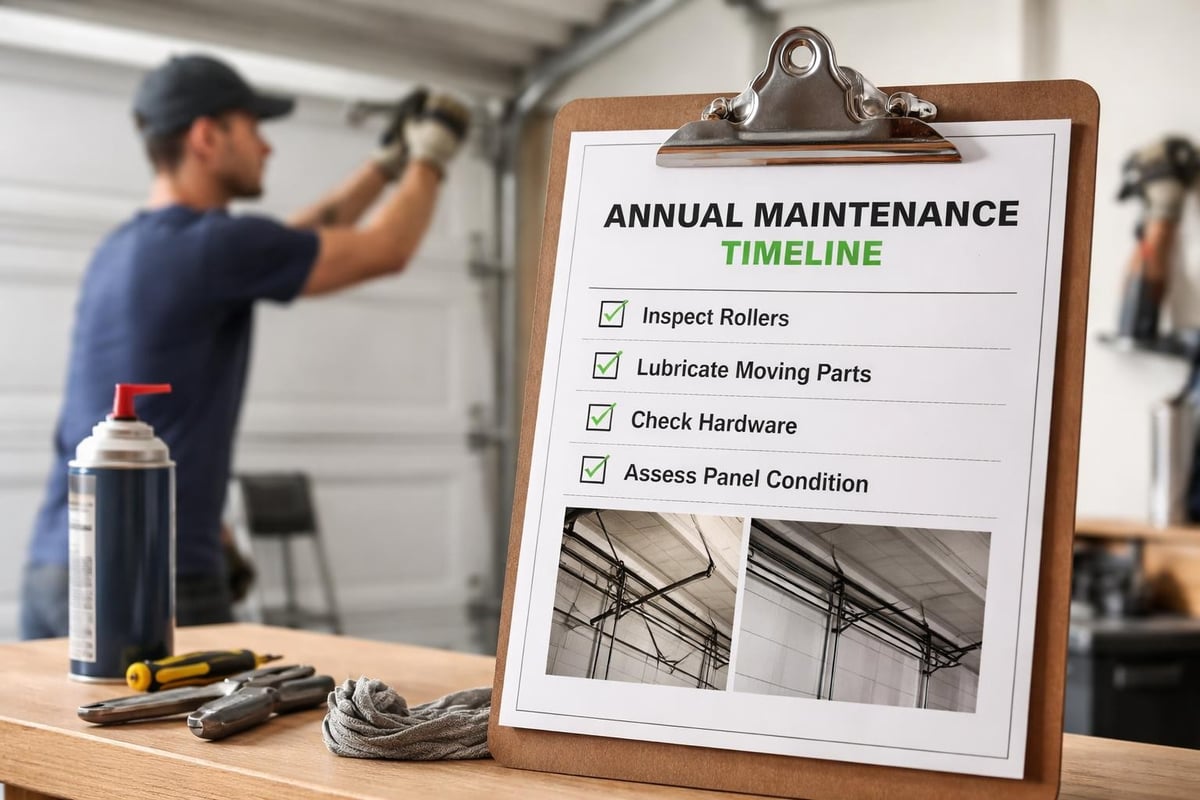
Seasonal inspections identify emerging problems before they cause panel damage. Check for:
- Loose hardware that allows excessive panel movement
- Rust formation indicating protective coating failure
- Track misalignment creating binding points
- Opener force settings requiring adjustment
- Weather seal deterioration allowing moisture contact
Teaching family members proper door operation prevents abuse that bends panels over time. Children should never hang from doors, and automatic reversing features should never be disabled despite occasional inconvenience.
Protective Modifications
Adding protective barriers in high-traffic garages prevents accidental impacts. Corner guards, parking stops, and protective panels mounted at bumper height absorb minor collisions before they damage door panels.
For homes prone to severe weather, consider upgrading to impact-resistant panels designed for coastal or high-wind environments. While initial costs exceed standard options, these materials withstand storm debris better and reduce long-term replacement frequency.
Regular professional maintenance identifies potential failure points before they cause panel damage. Annual garage door service visits include lubrication, hardware tightening, and balance adjustments that prevent stress-related panel deformation.
When to Call Professional Help
Distinguishing between manageable DIY projects and situations requiring professional expertise protects both your safety and your wallet. Certain bent garage door panel scenarios demand experienced technicians regardless of your skill level.
Safety-Critical Situations
Spring-related damage always warrants professional attention. When bent panels result from spring failure or create additional spring stress, attempting repairs without proper tools and training risks serious injury. Torsion springs store tremendous energy that can cause severe harm when released unexpectedly.
Electrical complications involving opener sensors, wiring, or control panels require licensed technicians. Bent panels sometimes damage safety sensors or pinch wiring, creating fire hazards or operational failures that DIY repairs cannot safely address.
Structural concerns involving multiple panels, track damage, or door frame distortion exceed typical homeowner capabilities. These complex situations require comprehensive assessment and specialized equipment for proper resolution.
Cost-Benefit Analysis
Professional repair costs must be weighed against DIY expenses, time investment, and risk exposure. A $200 professional repair completed safely in two hours often proves more economical than a weekend DIY project requiring $150 in tools and materials with uncertain results.
Consider professional services when:
- Damage extends to multiple panels or systems
- Door age exceeds 10 years with other wear signs
- Matching panels require manufacturer sourcing
- Safety systems need recalibration after repair
- Warranty coverage requires authorized service providers
Local expertise matters particularly when dealing with regional weather patterns and common door types. Companies serving Kitsap County understand moisture-related corrosion patterns, salt air effects, and wind load requirements specific to Pacific Northwest installations. For homeowners seeking reliable garage door services, working with established local providers ensures familiarity with area-specific challenges.
Material-Specific Repair Approaches
Different garage door materials respond distinctly to bending forces and require specialized repair techniques. Understanding material properties guides appropriate repair selection.
Steel Panel Repairs
Steel panels dominate residential installations due to their durability and affordability. When bent, steel generally maintains structural integrity better than softer materials, making repairs more viable. However, steel's tendency to rust requires prompt treatment of any finish damage.
Gauge thickness significantly affects repairability. Thicker 24-gauge steel resists permanent deformation better than 26 or 28-gauge alternatives, often allowing successful straightening without replacement. Insulated steel panels add complexity since foam cores may crush during impact, compromising thermal performance even when outer skins appear repairable.
Aluminum and Composite Materials
Aluminum panels bend more easily than steel but also straighten with less effort when damage remains minor. The material's corrosion resistance eliminates rust concerns, though color matching proves challenging since aluminum oxidizes differently than painted finishes.
Composite and wood panel repairs present unique challenges. These materials often crack rather than bend, making repairs less successful than with metal alternatives. Delamination between layers in composite panels creates hidden damage that surface repairs cannot address.
Professionals often recommend replacement over repair for composite materials since structural integrity remains questionable even after apparent fixes. The investment in replacement panels provides better long-term performance than attempting repairs on materials prone to progressive failure.
Installation Timing and Logistics
Once you've decided on panel replacement, understanding the installation process helps you prepare appropriately and minimize disruption to your daily routine.
Scheduling Considerations
Panel replacement typically requires two to four hours depending on complexity, door size, and access considerations. Single panel changes on standard residential doors often complete within one service visit, while multiple panels or custom doors may require extended appointments.
Weather affects outdoor repair work, particularly in Pacific Northwest climates. Scheduling during dry periods ensures proper sealant curing and paint adhesion. Winter installations face additional challenges from cold temperatures affecting material flexibility and adhesive performance.
Professional installers often recommend addressing bent garage door panel issues before they cause secondary damage requiring more extensive repairs. Prompt scheduling prevents the bent panel from damaging tracks, springs, or opener components that inflate total repair costs.
For comprehensive door upgrades beyond simple panel replacement, homeowners might explore professional installation services that ensure proper integration of new components with existing systems.
Preparation Steps
Homeowners can expedite professional repairs through advance preparation:
- Clear garage entrance areas for equipment access
- Remove vehicles and stored items from work zones
- Document existing door appearance for insurance claims
- Gather warranty information and door specifications
- Identify preferred replacement materials and colors
Communicating specific concerns about noise levels, operational smoothness, or appearance expectations helps technicians deliver results matching your requirements. Detailed discussions prevent misunderstandings and ensure satisfaction with completed work.
Insurance and Warranty Coverage
Financial protection through insurance policies and manufacturer warranties significantly impacts your bent garage door panel resolution strategy. Understanding coverage parameters guides claim filing and repair decisions.
Homeowners Insurance Claims
Most homeowners policies cover garage door damage from sudden, accidental events like vehicle impacts or storm debris. However, damage from gradual wear, poor maintenance, or manufacturing defects typically falls outside standard coverage.
Deductible amounts often exceed single panel replacement costs, making insurance claims impractical for isolated damage. When multiple panels require replacement or damage extends to door frames and mechanical systems, filing claims becomes financially beneficial.
Document damage thoroughly with photographs, timestamps, and written descriptions before beginning repairs. Insurance adjusters require evidence of causation and damage extent to approve claims. Obtain multiple repair estimates to demonstrate reasonable and customary costs for your area.
Manufacturer Warranty Limitations
Garage door warranties rarely cover bent panels resulting from external impacts or user error. Coverage typically addresses manufacturing defects, premature corrosion, and component failures under normal operating conditions.
Warranty terms vary significantly between manufacturers and door models. Premium doors often include extended coverage on finish integrity and structural components, while economy models limit protection to one or two years.
Understanding warranty exclusions prevents disappointment when seeking coverage for bent garage door panel repairs. Review your door's specific warranty documentation and maintain service records demonstrating proper maintenance compliance.
Addressing a bent garage door panel promptly preserves your door's functionality, appearance, and lifespan while preventing costly secondary damage to mechanical systems. Whether pursuing DIY repairs for minor dents or opting for professional replacement of severely damaged panels, acting decisively protects your home and investment. NextLevel Garage Co. brings local expertise and quality workmanship to homeowners throughout Kitsap County, providing comprehensive assessments, transparent pricing, and reliable solutions for all your garage door needs. Contact our team today for a professional evaluation and discover how we can restore your garage door to optimal performance.