

When your overhead door fails unexpectedly, the situation can quickly escalate from an inconvenience to a serious safety hazard. Whether you're dealing with a commercial loading dock door that won't close or a residential garage door stuck halfway open during severe weather, understanding how to respond to these emergencies can prevent property damage, protect your inventory, and keep your family safe. Emergency overhead door repair requires immediate professional attention, but knowing what steps to take before help arrives makes all the difference.
Recognizing True Overhead Door Emergencies
Not every overhead door malfunction qualifies as an emergency, but certain situations demand immediate professional intervention. A true emergency typically involves safety risks, security vulnerabilities, or significant operational disruptions that cannot wait for regular business hours.
Immediate Safety Hazards
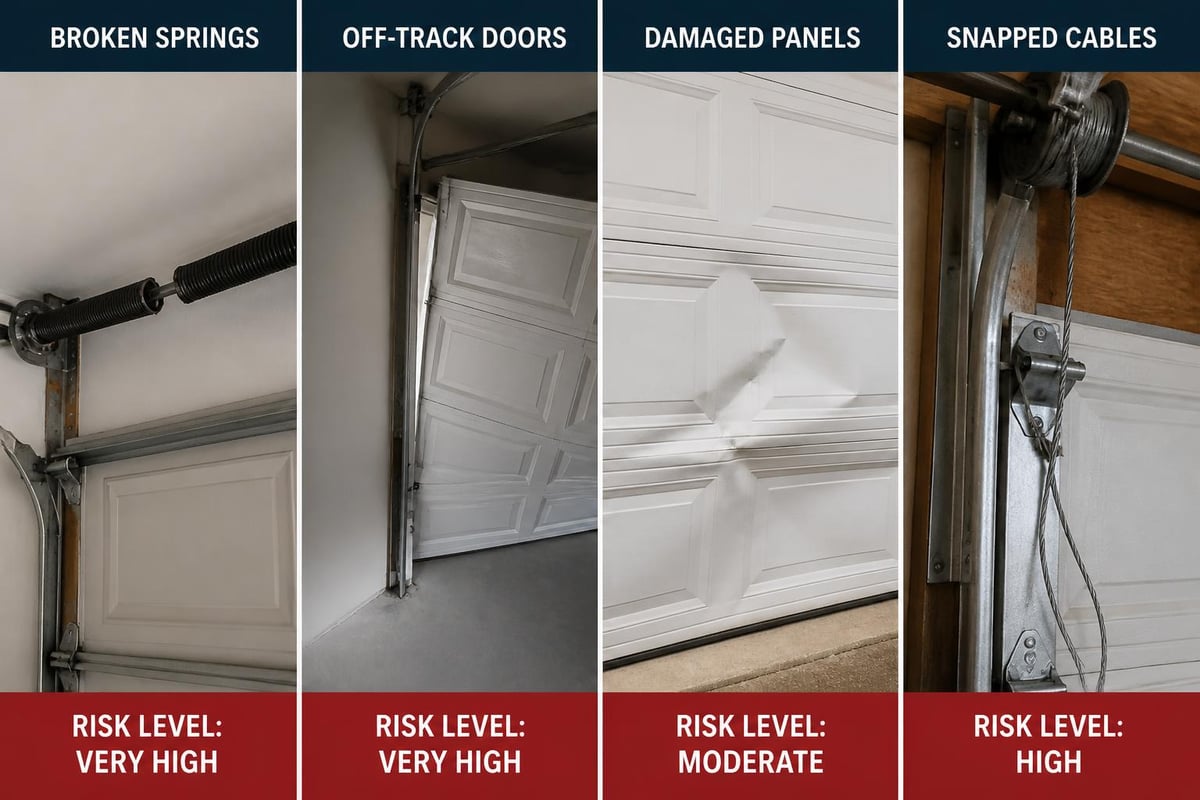
Overhead doors under tension from broken springs represent one of the most dangerous situations homeowners and business owners face. When a torsion spring snaps, the door can drop suddenly, potentially causing serious injury or crushing vehicles and equipment below. Similarly, doors that have come off their tracks pose immediate collision risks, especially in commercial settings where employees or customers might walk beneath them.
Critical emergency indicators include:
- Cables that have snapped and are hanging loose
- Doors stuck in partially open positions during storms
- Visible structural damage to panels or frames
- Unusual grinding or scraping sounds indicating imminent failure
- Complete loss of manual override functionality
The dangers of operating a damaged overhead door extend beyond the obvious. Even minor damage can compromise the door's balance and create unpredictable behavior that puts people at risk.
Security Breaches and Weather Exposure
When an overhead door cannot close properly, your property becomes vulnerable to theft, vandalism, and weather damage. For businesses in Kitsap County, an open loading dock door overnight represents thousands of dollars in potential inventory loss. Residential properties face similar risks when garage doors fail to secure.
Emergency overhead door repair becomes particularly urgent during Pacific Northwest weather events. Heavy rain, strong winds, and falling debris can enter through compromised openings, causing water damage to stored items, vehicles, and interior spaces. The cost of emergency repair services often pales in comparison to the damage prevented by rapid response.
Common Emergency Scenarios and Immediate Responses
Understanding what caused your overhead door failure helps you communicate effectively with repair technicians and take appropriate temporary measures while waiting for professional help.
Broken Spring Systems
Spring failure represents the most common emergency requiring immediate professional attention. Torsion springs typically last 10,000 to 20,000 cycles, but when they break, the door loses its counterbalance system entirely. Never attempt to operate a door with a broken spring, as this places dangerous stress on the opener motor and creates significant injury risks.
If you suspect spring damage, avoid using the door completely. Proper spring repair procedures involve specialized tools and training that prevent the stored energy in these components from causing harm during replacement.
| Emergency Type | Risk Level | Temporary Action | Professional Response Time |
|---|---|---|---|
| Broken Torsion Spring | Critical | Do not operate | 2-4 hours |
| Off-Track Door | High | Secure area below | 2-6 hours |
| Snapped Cable | Critical | Do not operate | 2-4 hours |
| Damaged Panels | Moderate | Manual lock if possible | 4-24 hours |
| Opener Failure | Low to Moderate | Use manual release | 4-24 hours |
Doors Off Track and Bent Components
When overhead doors derail from their track systems, the entire assembly becomes unstable. This situation commonly occurs due to impact damage, worn rollers, or misaligned tracks. Commercial overhead doors carrying significant weight present particular dangers when off-track, as the unsupported panels can shift unexpectedly.
For homeowners experiencing garage door track issues, the temptation to force the door back into place can worsen the damage. Bent tracks require professional realignment or replacement to ensure smooth, safe operation.
Electrical and Opener Malfunctions
While many opener problems can wait for regular service appointments, certain situations qualify as emergencies. Complete opener failure during business hours for commercial properties or when a door is stuck open overnight requires immediate attention.
Modern garage door openers include safety features that automatically stop operation when they detect obstructions or excessive resistance. When these systems fail or behave erratically, emergency overhead door repair ensures your door operates safely until permanent repairs can be completed.
Safety Protocols During Emergency Situations
Professional overhead door technicians follow strict safety protocols when responding to emergencies, and property owners should understand these procedures to protect themselves and others while waiting for help.
Securing the Area
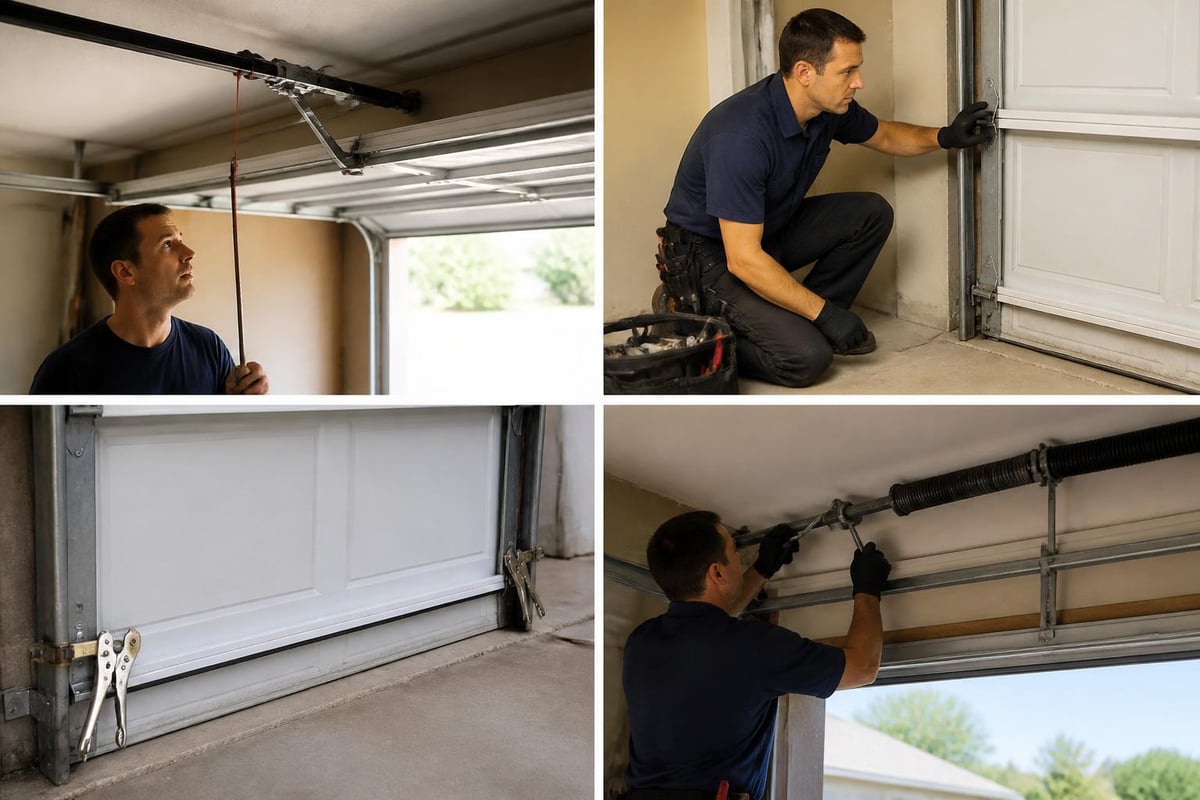
First priority involves preventing access to the malfunctioning door. In commercial settings, this means posting clear warning signs, blocking vehicle traffic, and redirecting employee movement away from the affected entrance. Residential emergencies require keeping family members, pets, and vehicles away from the door's operation zone.
Essential safety steps include:
- Disconnect the automatic opener to prevent unintended operation
- Mark the area with caution tape or barriers
- Document the damage with photographs for insurance purposes
- Avoid placing hands or tools near springs, cables, or rollers
- Never position yourself beneath a partially open door
The safety considerations for commercial overhead doors emphasize the importance of immediate area control during emergency situations.
Using Emergency Release Mechanisms Safely
Most modern overhead doors include manual release mechanisms that allow operation during power outages or opener failures. However, operating emergency releases requires careful attention to prevent the door from crashing down.
Proper emergency release procedure:
- Ensure the door is fully closed before pulling the release cord
- If the door is partially open, brace it or have another person help control descent
- Never release the mechanism while standing beneath the door
- Re-engage the trolley before attempting powered operation
When springs are broken or damaged, manual releases become extremely dangerous. The door's full weight will drop without counterbalance support, making emergency overhead door repair the only safe option.
Why DIY Emergency Repairs Create Additional Risks
The internet offers numerous tutorials for overhead door repairs, but emergency situations amplify the dangers of DIY approaches. What might work as a learning experience during a planned maintenance day becomes a recipe for injury during urgent repairs.
Specialized Tools and Training Requirements
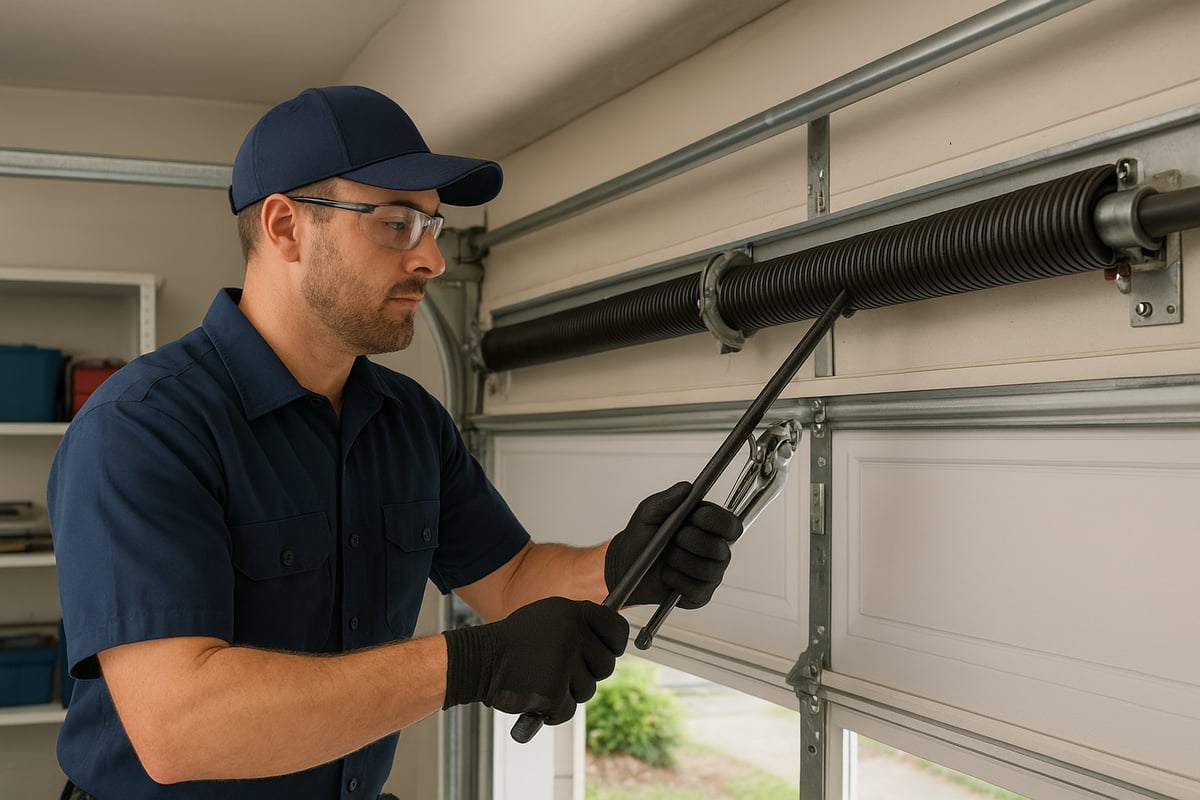
Professional technicians use winding bars, vice grips, and calibrated tension tools specifically designed for safe spring replacement and track adjustment. Generic household tools cannot safely handle the forces involved in overhead door systems. A residential garage door spring stores enough energy to lift 150-300 pounds, while commercial doors manage significantly higher loads.
Repairs that should never be DIY include anything involving springs, cables, or bottom brackets. These components operate under extreme tension and require professional expertise to handle safely.
Insurance and Liability Considerations
When emergency overhead door repair involves commercial properties, improper DIY attempts can void warranties, violate insurance policies, and create liability exposure. Business owners who allow untrained personnel to attempt repairs may face serious consequences if injuries or property damage occur.
For residential customers throughout Kitsap County, homeowner's insurance typically covers emergency garage door damage from storms, vehicle impacts, or mechanical failure. However, attempting repairs yourself before professional assessment can complicate claims and reduce coverage.
Professional services like NextLevel Garage Co. provide documented work that satisfies insurance requirements while ensuring repairs meet current safety standards and building codes.
Selecting Emergency Overhead Door Repair Services
When facing an urgent overhead door situation, choosing the right repair service impacts both immediate safety and long-term reliability. Not all garage door companies offer true emergency response, and understanding what qualifies as professional emergency service helps you make informed decisions.
Response Time and Availability
Legitimate emergency overhead door repair services maintain 24/7 availability with reasonable response times. For the Bainbridge Island and Kitsap County area, expect professional technicians to arrive within 2-4 hours for critical emergencies during business hours and 4-6 hours for after-hours calls.
Questions to ask when calling for emergency service:
- What is your current response time for my location?
- Do you stock common replacement parts on service vehicles?
- Are your technicians licensed and insured for emergency work?
- What is your pricing structure for after-hours service?
- Can you provide a preliminary assessment over the phone?
Some situations require immediate attention, while others can safely wait for standard business hours. A reputable company will honestly assess your situation rather than treating every call as an emergency to justify premium pricing.
Qualifications and Equipment
Emergency overhead door repair demands technicians with extensive experience across various door types, manufacturers, and failure scenarios. The best services employ professionals who regularly complete routine maintenance procedures and understand how preventive care relates to emergency response.
| Service Feature | Standard Repair | Emergency Repair |
|---|---|---|
| Response Window | 1-3 business days | 2-6 hours |
| After-Hours Availability | No | Yes |
| Parts Inventory | Order as needed | Common parts stocked |
| Service Fee | Standard rate | Premium rate |
| Temporary Solutions | Not offered | Securing/weatherproofing |
Professional emergency technicians arrive with fully stocked service vehicles containing the most common replacement springs, cables, rollers, and hardware. This preparation minimizes repair time and reduces the need for multiple service visits.
Preventing Future Emergency Situations
While some overhead door failures occur without warning, many emergencies result from deferred maintenance and ignored warning signs. Implementing a preventive maintenance schedule significantly reduces the likelihood of requiring emergency overhead door repair services.
Regular Inspection Schedules
Commercial properties should schedule professional overhead door inspections quarterly, while residential doors benefit from annual professional assessments. Between professional visits, property owners can perform basic visual checks for common issues.
Monthly inspection checklist:
- Listen for unusual grinding, scraping, or squealing sounds
- Watch for jerky or uneven door movement
- Check weather stripping for gaps or deterioration
- Test auto-reverse safety features
- Visually inspect springs for rust or separation
- Examine rollers for wear or damage
- Verify track alignment and mounting bracket security
These year-round maintenance practices help identify potential problems before they escalate into emergencies.
Component Lifespan and Proactive Replacement
Understanding typical overhead door component lifespans allows for proactive replacement before failure occurs. Springs represent the most time-sensitive component, with torsion springs typically requiring replacement every 7-10 years for residential applications and more frequently for high-cycle commercial installations.
Garage door openers manufactured before 2015 lack modern safety features and should be considered for upgrade to newer technologies. Contemporary openers include battery backup systems, smartphone connectivity, and enhanced safety sensors that prevent many common emergency scenarios.
Professional installation services ensure components are properly balanced, aligned, and adjusted from the start, reducing premature wear and unexpected failures.
Documenting Maintenance History
Maintaining detailed records of all overhead door maintenance, repairs, and inspections provides valuable information during emergencies. When calling for emergency overhead door repair, technicians benefit from knowing the door's age, spring replacement history, and recent service work.
Essential documentation includes:
- Original installation date and door specifications
- Spring replacement dates and cycle ratings
- Opener model and installation date
- Previous repair invoices and service notes
- Warranty information for components and labor
This information helps technicians diagnose problems more quickly and ensures appropriate replacement parts are available during emergency calls.
Understanding Emergency Service Costs
Emergency overhead door repair services typically cost more than scheduled maintenance appointments, but several factors influence final pricing. Understanding these variables helps property owners make informed decisions during stressful situations.
Pricing Structure Components
Most emergency services charge premium rates for after-hours, weekend, or holiday responses. These fees compensate technicians for maintaining 24/7 availability and cover increased operational costs for emergency preparedness.
Typical pricing includes a base service call fee covering the technician's arrival and initial assessment, plus hourly labor rates and parts costs. Emergency rates generally run 50-100% higher than standard service rates, though reputable companies clearly communicate these differences before dispatching technicians.
For Kitsap County residents, obtaining free repair estimates during regular business hours allows comparison shopping that isn't possible during emergency situations.
Value Beyond Immediate Repair
Quality emergency overhead door repair services provide more than just fixing the immediate problem. Professional technicians identify contributing factors that may cause future failures, offer recommendations for preventive measures, and ensure repairs meet current safety standards.
Emergency service value includes:
- Immediate restoration of security and weather protection
- Professional diagnosis preventing repeat failures
- Properly tensioned and balanced door operation
- Warranty coverage on parts and labor
- Documentation for insurance claims
- Safety compliance and code adherence
Consider the total cost of delayed repairs, including potential property damage, lost business operations, or security breaches, when evaluating emergency service rates.
Seasonal Considerations for Kitsap County Properties
Pacific Northwest weather patterns create specific challenges for overhead door systems that influence emergency repair frequency and prevention strategies. Understanding these seasonal factors helps property owners prepare for likely scenarios throughout the year.
Winter Weather Impacts
Cold temperatures affect overhead door components differently than spring and summer conditions. Metal components contract, lubricants thicken, and moisture can freeze in tracks or around weather stripping. These changes increase the likelihood of operational failures during Washington's winter months.
Emergency overhead door repair calls spike during winter weather events when doors freeze shut or springs break from temperature-related metal fatigue. Proper winterization, including appropriate cold-weather lubricants and weather seal maintenance, reduces these risks significantly.
Storm Damage Response
High winds, falling branches, and debris create sudden overhead door damage requiring immediate attention. The often-overlooked safety hazards associated with overhead doors become particularly relevant during storm events when property owners may attempt quick fixes under dangerous conditions.
After storm damage, professional assessment ensures hidden structural problems are identified before they cause additional failures. What appears as minor panel damage may indicate bent tracks, stressed springs, or compromised mounting hardware requiring comprehensive emergency overhead door repair.
Overhead door emergencies demand quick, professional responses that prioritize safety while restoring functionality to your property. Understanding when situations require immediate intervention, how to safely secure affected areas, and why professional expertise matters protects your family, employees, and property from preventable damage. Whether you're managing a commercial facility or maintaining your home, NextLevel Garage Co. provides expert emergency overhead door repair services throughout Bainbridge Island and Kitsap County with rapid response times, fully equipped service vehicles, and the experience needed to handle any urgent garage door situation safely and effectively.