

When your garage door refuses to open during a critical moment, the stress can be overwhelming. Whether you're rushing to work, arriving home after dark, or dealing with severe weather on Bainbridge Island, garage emergency repair situations demand immediate attention and careful handling. Understanding how to respond safely to these urgent scenarios can protect your property, prevent injuries, and minimize costly damage. This comprehensive guide will walk you through everything homeowners in Kitsap County need to know about addressing garage door emergencies effectively in 2026.
Understanding Common Garage Emergency Scenarios
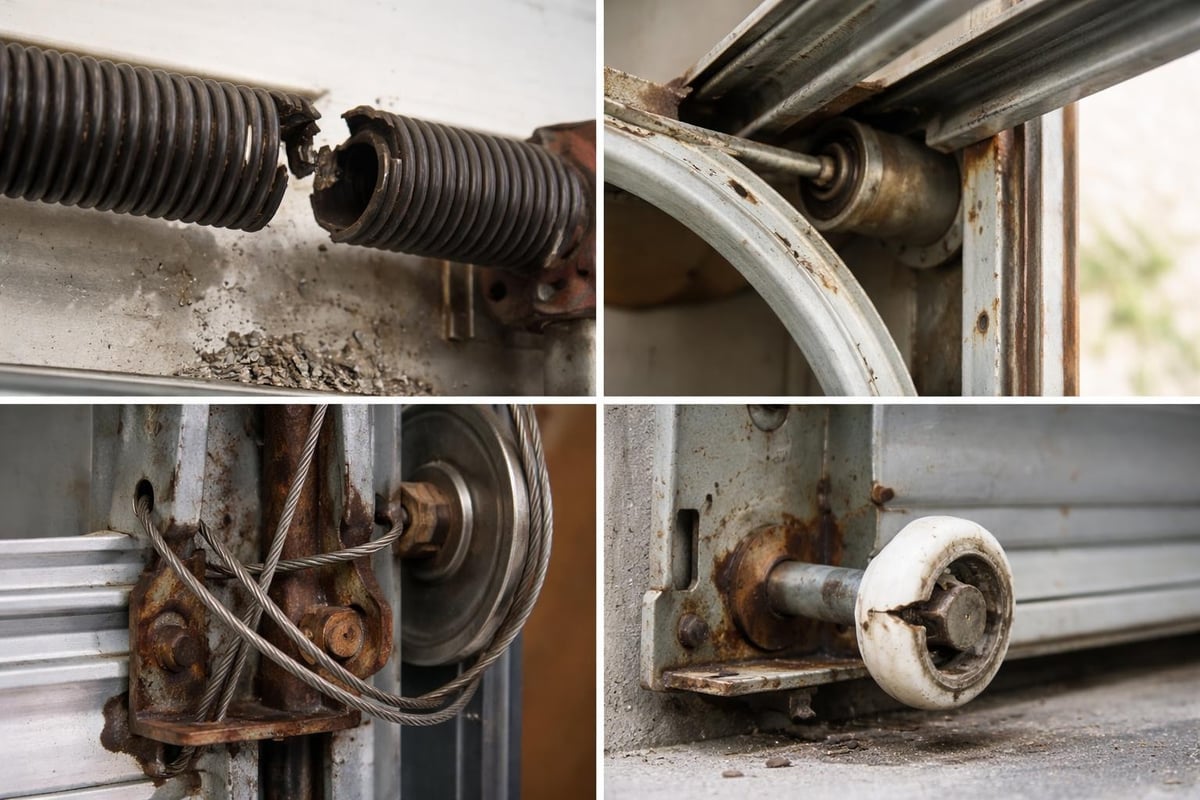
Garage emergency repair needs arise from various mechanical failures, environmental factors, and wear-related issues. The most frequent emergency situations include broken torsion springs, which create a sudden loud bang and render the door inoperable. Cable failures pose significant safety risks as the heavy door can collapse unexpectedly.
Spring System Failures
Torsion springs typically last 10,000 to 20,000 cycles before failing. When a spring breaks, the door becomes extremely heavy and dangerous to operate manually.
Key warning signs include:
- Visible gap in the spring coil
- Door that opens only a few inches before stopping
- Loud snapping or popping sound
- Uneven door movement or tilting
Extension springs, common on older garage doors, present similar risks but may allow partial operation. Never attempt to adjust or replace springs yourself, as they store tremendous tension that can cause severe injury.
Track and Roller Malfunctions
Misaligned tracks or damaged rollers create immediate operational problems. The door may bind, shake violently, or become completely stuck. Track misalignment often results from physical impact, gradual hardware loosening, or foundation settling.
| Component | Failure Symptom | Risk Level | Typical Repair Time |
|---|---|---|---|
| Torsion Spring | Complete failure, loud snap | High | 1-2 hours |
| Extension Spring | Partial failure, uneven operation | Medium-High | 1-2 hours |
| Roller Bearing | Grinding noise, slow operation | Low-Medium | 30-60 minutes |
| Track Alignment | Binding, uneven gaps | Medium | 1-3 hours |
Immediate Safety Steps During a Garage Emergency
When facing a garage emergency repair situation, prioritizing safety prevents injuries and additional damage. First, disconnect the garage door opener by pulling the emergency release cord. This red handle typically hangs from the center rail and disengages the trolley from the door.
Never attempt these dangerous actions:
- Operating a door with a broken spring
- Standing or walking under a partially open door
- Forcing a stuck door with excessive pressure
- Allowing children near a malfunctioning garage door
If the door is stuck in the open position, secure it with vice grips or locking pliers on the track below the lowest roller. This prevents accidental closure while you assess the situation or wait for professional help.
Manual Operation Techniques
Understanding how to manually open a garage door becomes essential during power outages or opener failures. According to Precision Door’s emergency release guide, proper technique requires lifting the door slowly and evenly while watching for any binding or resistance.
The door should move smoothly with moderate effort. If it feels extremely heavy or won't budge, the spring system has likely failed. In this case, attempting manual operation risks the door slamming down unexpectedly.
Assessing Whether You Need Emergency Service
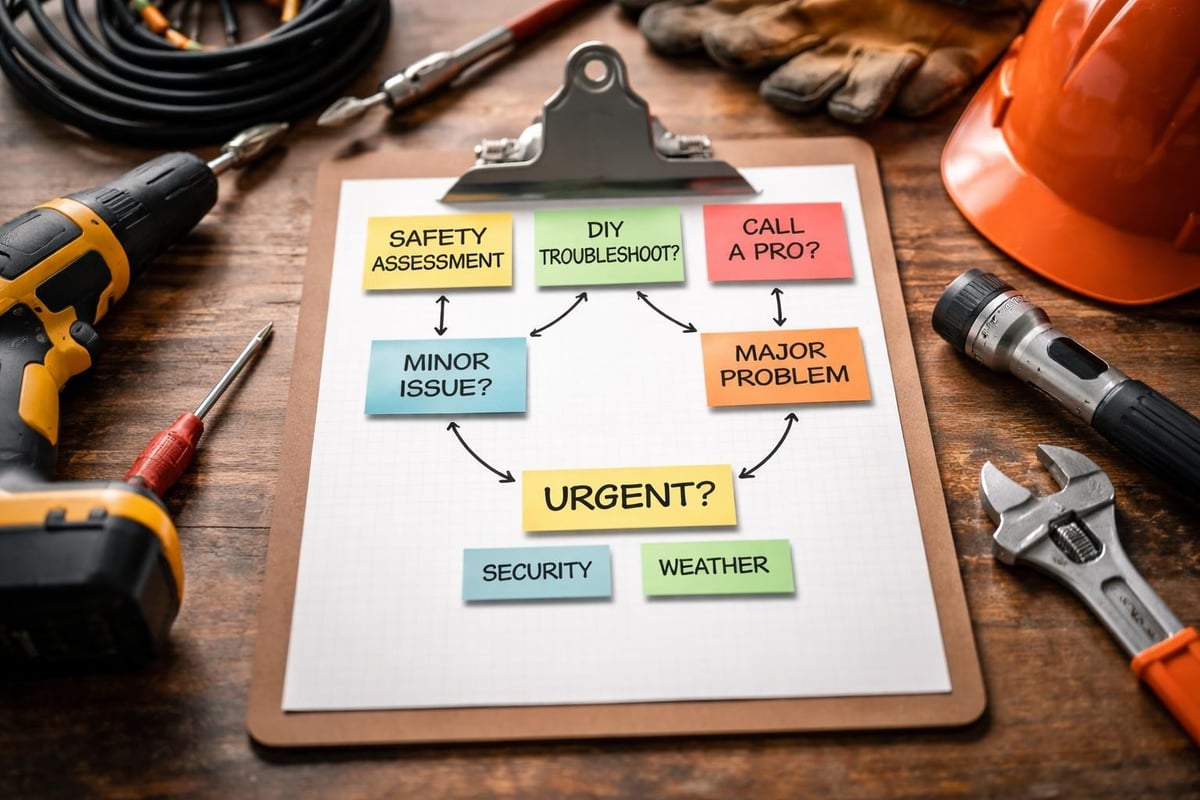
Not every garage door problem requires immediate professional intervention, but certain situations demand urgent attention. Garage emergency repair becomes necessary when safety is compromised, security is at risk, or you cannot access your vehicle for critical needs.
Critical Emergency Indicators
Schedule immediate professional service when you encounter:
- Broken springs preventing door operation – The door won't open or closes uncontrollably
- Damaged or frayed cables – Steel cables show wear, separation, or complete failure
- Severe track damage – Bent, twisted, or separated track sections
- Opener motor failure – Complete electrical failure with burning smell
- Door off track – Rollers have jumped out of track guides
- Security compromise – Door won't close or lock properly
Weather conditions in the Pacific Northwest can elevate urgency. A garage door stuck open during a severe storm exposes your vehicles, belongings, and home interior to water damage and security risks.
When DIY Troubleshooting Makes Sense
Some issues allow time for basic troubleshooting before calling for garage emergency repair services. Minor problems include dead remote batteries, tripped circuit breakers, or accidentally engaged manual locks.
Check these simple fixes first:
- Replace remote control batteries
- Test wall-mounted control panel
- Verify power supply to opener
- Inspect photo-eye sensors for obstructions
- Confirm manual lock is disengaged
If these basic checks don't resolve the issue, professional diagnosis becomes necessary. Attempting complex repairs without proper training and tools often worsens the problem and increases total repair costs.
Temporary Measures Until Professional Help Arrives
When waiting for emergency garage door repair service, several temporary measures can improve security and safety. For doors stuck in the open position, park vehicles away from the opening and secure valuables inside your home.
Securing an Open Door
If weather permits and the door mechanism appears stable, you might partially lower the door using the manual release. However, only attempt this if you can fully support the door's weight with assistance. For most situations, leaving the door open and monitoring the garage provides the safest approach.
Consider these temporary security enhancements:
- Install battery-powered motion lights in the garage
- Use a portable security camera aimed at the opening
- Inform trusted neighbors about the situation
- Avoid leaving valuable items visible from outside
For doors stuck closed when you need vehicle access, opening a garage door without power requires engaging the emergency release from inside. If you cannot access the interior release, contact emergency services rather than attempting to force entry.
Weather Protection Strategies
Pacific Northwest weather patterns create specific challenges for open garage doors. Heavy rain, wind, and occasional snow can damage stored items and flood garage floors.
| Weather Condition | Protection Strategy | Priority Level |
|---|---|---|
| Heavy Rain | Tarps over stored items, sandbags | High |
| Strong Wind | Remove loose objects, secure doors | Critical |
| Freezing Temps | Protect water systems, move sensitive items | Medium |
| Snow/Ice | Cover equipment, monitor for damage | Medium-High |
Professional garage emergency repair services serving Bainbridge Island and Kitsap County typically offer rapid response times, often arriving within hours of your call. NextLevel Garage Co. understands how weather urgency affects homeowners throughout the region.
Choosing the Right Emergency Repair Provider
Selecting a qualified garage emergency repair service requires evaluating several critical factors beyond availability. Professional technicians carry proper licensing, insurance, and manufacturer certifications that protect homeowners from liability and ensure quality repairs.
Verification Checklist
Before committing to an emergency service provider, confirm they meet these standards:
Business credentials:
- Valid Washington State contractor license
- General liability insurance coverage
- Workers' compensation insurance
- Manufacturer certifications for major brands
- Positive online reviews and references
Service capabilities:
- 24/7 emergency availability
- Fully stocked service vehicles
- Experienced technicians (minimum 3-5 years)
- Transparent pricing and estimates
- Warranty on parts and labor
Local providers familiar with Kitsap County typically offer faster response times and better understand regional challenges like salt air corrosion near the Puget Sound and moisture-related issues common to the Pacific Northwest climate.
Cost Considerations for Emergency Service
Garage emergency repair typically costs more than scheduled maintenance or routine repairs due to after-hours labor rates and immediate response requirements. Transparent providers explain pricing before beginning work and offer detailed written estimates.
According to PDQ Door’s emergency repair cost guide, expect to pay premium rates for evening, weekend, or holiday service. However, addressing emergencies promptly often prevents more extensive damage that would cost significantly more to repair later.
Standard emergency service pricing includes:
- Service call fee ($75-$150)
- Diagnostic assessment ($50-$100, often waived with repair)
- Parts at current market rates
- Labor charges (typically 1.5x to 2x standard rates)
- After-hours premium (varies by provider)
Preventing Future Emergency Situations
The most effective garage emergency repair strategy involves preventing emergencies through consistent maintenance and proactive component replacement. Regular garage door maintenance dramatically reduces the likelihood of unexpected failures and extends your system's operational lifespan.
Monthly Maintenance Tasks
Dedicate 15 minutes monthly to visual inspections and basic maintenance. According to Home Depot’s garage door maintenance guide, homeowners who perform regular maintenance experience 60% fewer emergency repairs than those who neglect their systems.
Essential monthly checks include:
- Visual spring inspection for rust or gaps
- Cable examination for fraying or wear
- Roller assessment for wobbling or noise
- Track alignment verification
- Hardware tightness confirmation
- Weather seal condition review
Listen for unusual sounds during operation. Grinding, scraping, or squealing noises indicate developing problems that warrant professional attention before they become emergencies.
Seasonal Maintenance Requirements
Kitsap County's distinct seasons require specific maintenance adjustments. Winter preparation includes lubricating moving parts with cold-weather-rated products and checking weather seals for gaps that allow heat loss.
Spring maintenance focuses on cleaning tracks, testing safety features, and inspecting for winter damage. Bob Vila’s maintenance recommendations emphasize testing the door balance by disconnecting the opener and manually lifting the door halfway. A properly balanced door should stay in position without assistance.
Summer and fall provide ideal conditions for repainting metal components to prevent rust and scheduling professional tune-ups before harsh winter weather arrives. Professional services often offer seasonal maintenance packages at reduced rates compared to emergency repairs.
Professional Spring Replacement Considerations
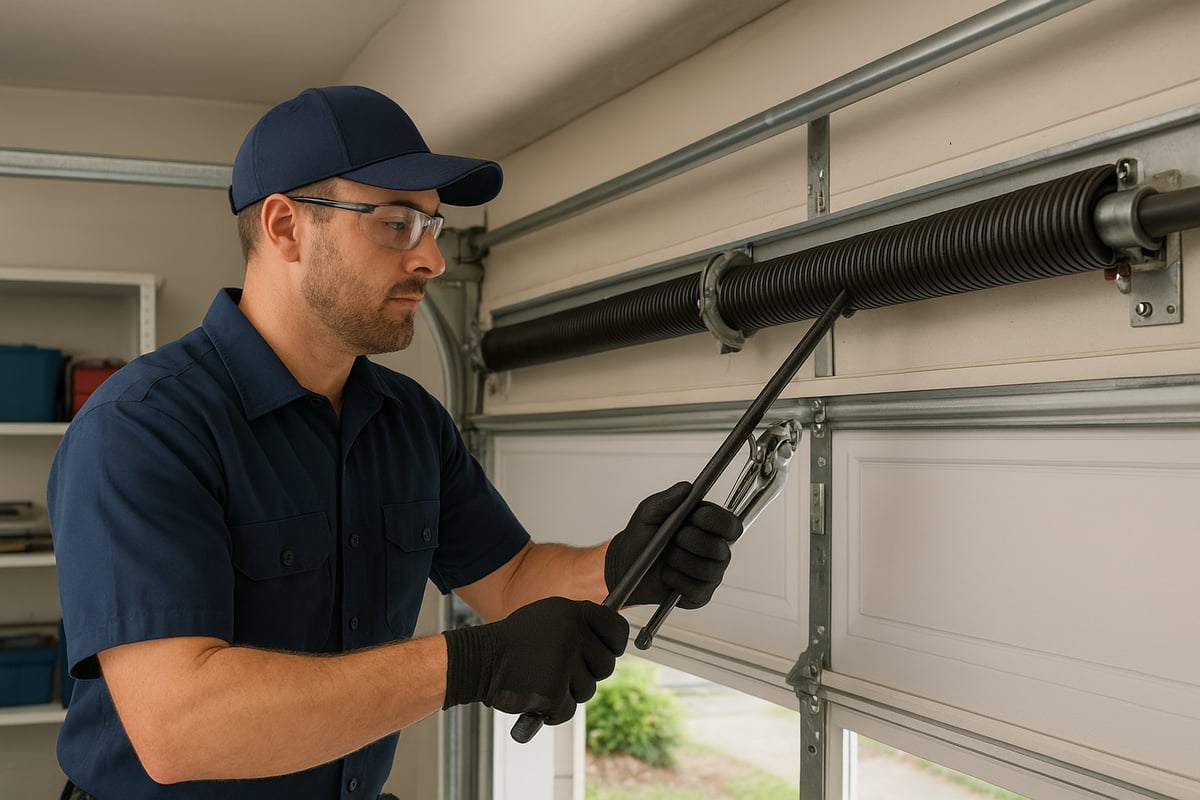
Spring failures represent the most common garage emergency repair scenario. These components work under extreme tension and require specialized tools and expertise for safe replacement. Professional spring replacement addresses not just the failed component but also evaluates the entire lifting system for balance and efficiency.
When one spring breaks on a two-spring system, replacing both simultaneously makes financial and practical sense. Springs installed together have accumulated similar cycle counts and will likely fail around the same time. Replacing both prevents a second emergency repair call within weeks or months.
For homeowners experiencing spring failure, Garage Door Spring Repair restores proper balance and lifting force, ensuring smooth operation and reducing strain on your opener motor. This service addresses torsion and extension spring systems for residential and light commercial applications throughout Kitsap County.
Spring Lifespan and Upgrade Options
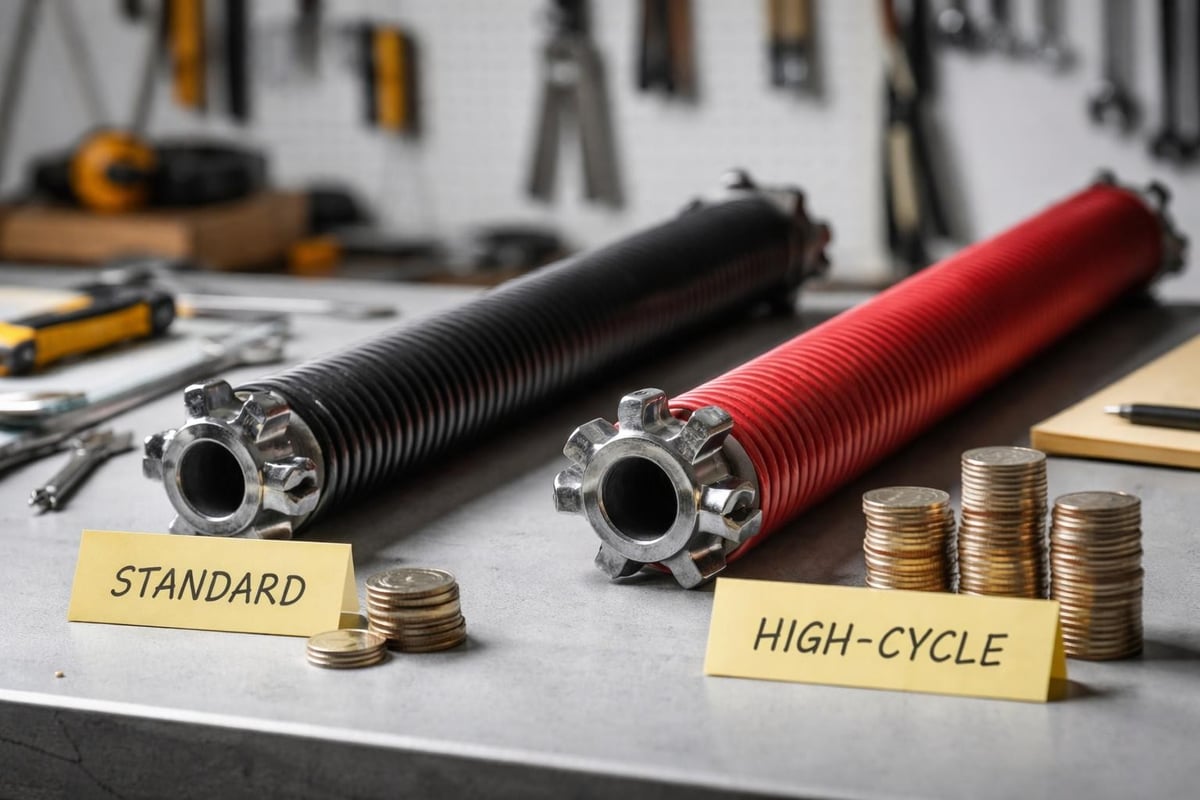
Standard springs typically last 7-10 years with average use (opening and closing twice daily). High-cycle springs cost more initially but provide 2-3 times longer service life, making them cost-effective for frequently used doors.
| Spring Type | Expected Cycles | Typical Lifespan | Upgrade Cost Premium |
|---|---|---|---|
| Standard | 10,000 | 7-10 years | Baseline |
| High-Cycle | 25,000 | 15-20 years | +40% |
| Premium | 50,000+ | 20-30 years | +80% |
Professional technicians measure your existing springs, door weight, and track configuration to select properly rated replacements. Incorrect spring specifications create balance problems, excessive opener wear, and premature component failure.
Opener System Emergencies and Solutions
Modern garage door openers incorporate sophisticated electronics, safety sensors, and connectivity features that can experience various failures. When opener emergencies occur during power outages, mechanical failures, or electronic malfunctions, understanding your system's capabilities helps you respond appropriately.
Power Outage Protocols
Power failures represent the most common opener-related emergency. Balanced Garage Doors’ emergency guide recommends keeping battery backup systems charged and testing them quarterly to ensure reliable operation during outages.
Battery backup units maintain opener functionality for 24-48 hours during power loss, allowing normal operation without manual intervention. These systems prove particularly valuable during Pacific Northwest winter storms that can cause extended power disruptions.
For openers without battery backup, learning manual operation techniques ensures you can access your garage during emergencies. After power restoration, reconnect the opener by pulling the release cord toward the door while operating the wall button.
Safety Sensor Problems
Photo-eye sensors prevent the door from closing on vehicles, people, or objects in the path. When these sensors malfunction, the door refuses to close or reverses immediately after starting downward movement.
Common sensor issues include:
- Misalignment from vibration or impact
- Dirty lenses blocking the infrared beam
- Damaged wiring from rodents or moisture
- Failing sensor units requiring replacement
Most sensor problems receive quick resolution through cleaning and realignment. However, persistent issues may indicate electrical problems or sensor degradation requiring professional diagnosis and repair. According to Garage Headquarters safety tips, monthly sensor testing prevents most emergency situations related to these critical safety components.
Building Your Emergency Preparedness Plan
Creating a comprehensive garage emergency response plan reduces stress and improves outcomes when problems occur. Document important information and establish relationships with service providers before emergencies arise.
Essential Documentation
Maintain a garage door information file containing:
- System specifications – Door model, dimensions, spring ratings, opener brand
- Purchase and installation dates – Track warranty periods and component ages
- Service history – Keep records of all maintenance and repairs
- Manufacturer manuals – Store digital copies in cloud storage
- Emergency contact numbers – Local repair services, manufacturers, electricians
Photograph your garage door system from multiple angles, including close-ups of springs, cables, and hardware. These images help service providers prepare appropriate parts before arriving, reducing repair time.
Professional Service Relationships
Establishing relationships with qualified garage service providers before emergencies occur ensures faster response and potentially preferential scheduling. Many companies offer maintenance plans that include priority emergency service and discounted rates.
Consider scheduling annual professional inspections that identify developing problems before they cause failures. These preventive services typically cost $100-$200 but can prevent thousands in emergency repair expenses and property damage.
Research garage door safety protocols and share information with family members. Everyone in your household should know how to use the manual release, recognize dangerous situations, and contact professional help appropriately.
Regional Considerations for Kitsap County Homeowners
Geographic location significantly impacts garage emergency repair needs and responses. Kitsap County's marine climate, island geography, and specific weather patterns create unique challenges for garage door systems.
Climate Impact on Garage Systems
Salt air accelerates corrosion on metal components including springs, cables, tracks, and hardware. Homes near the Puget Sound experience more rapid deterioration than inland properties, requiring more frequent inspections and potentially shorter replacement intervals.
Moisture management strategies include:
- Applying rust-preventive coatings to exposed metal
- Ensuring adequate garage ventilation
- Using stainless steel hardware in coastal areas
- Scheduling more frequent professional maintenance
Winter freezing and thawing cycles can cause tracks to shift as foundations settle. The region's wet winters may lead to moisture accumulation in opener motors or control panels, potentially causing electrical failures during the coldest months.
Service Availability and Response Times
Bainbridge Island's geography means emergency service providers must account for ferry schedules or travel times from mainland Kitsap County. Understanding these logistics helps set realistic expectations for emergency response timing.
Local providers familiar with island access typically maintain better emergency response capabilities than distant competitors. When selecting service providers, prioritize those with established operations in Kitsap County who understand regional access challenges and maintain appropriate parts inventory for common systems in the area.
Garage emergencies test homeowners' preparedness and decision-making under pressure, but understanding proper responses, safety protocols, and when to seek professional help transforms these stressful situations into manageable challenges. Regular maintenance, quality components, and documented system information provide the foundation for minimizing emergency occurrences and ensuring swift resolution when problems arise. NextLevel Garage Co. serves Bainbridge Island and throughout Kitsap County with professional garage emergency repair services, combining local expertise with quality workmanship and clear communication to restore your garage door system safely and efficiently.